Charles N. Davenport
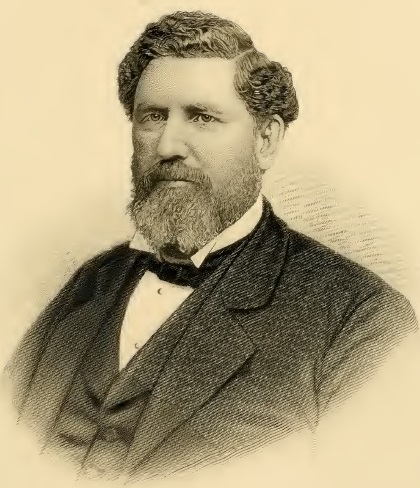
Charles N. Davenport
U.S.A.

Social Media

Personal Background
Charles N. Davenport studied law and began his legal career in the mid-19th century, eventually establishing a practice in Brattleboro, Vermont. He held various leadership roles within the Democratic Party and was involved in local and state politics, including multiple unsuccessful bids for public office. Davenport transitioned from legal practice to banking and journalism, demonstrating versatility in his professional career. He was also active in social causes, notably leading a temperance society and opposing political corruption.
Political Ideas
Charles N. Davenport's political identity is marked by his steadfast alignment with the Democratic Party despite Vermont's historical opposition to slavery and support for the Whigs and Republicans. He was a prominent figure in the anti-Know Nothing movement, opposing anti-immigrant and anti-Catholic sentiments. Davenport's commitment to temperance is evident through his leadership in a Brattleboro temperance society. His critique of political corruption transcended party lines, leading him to decline a Democratic nomination for Congress in 1874. Davenport's support for reformers like Samuel Tilden, who opposed corruption, further highlights his ideological consistency in advocating for ethical governance.