Paul Dillingham
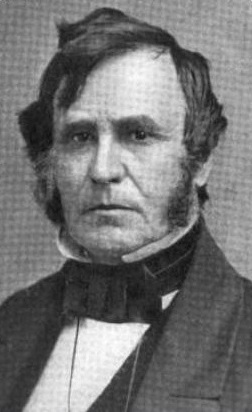
Paul Dillingham
U.S.A.

Social Media

Personal Background
Paul Dillingham began his career in law, practicing in Waterbury after being admitted to the bar in 1823. He held various local and state positions, including serving as a justice of the peace, town clerk, and member of the Vermont House of Representatives. Dillingham transitioned to the U.S. House of Representatives and later became the governor of Vermont, where he focused on education reforms, establishing the state's first reform school and normal school for teacher training. His leadership during the Civil War era saw him change allegiance to the Republican party and support the Union war effort as lieutenant governor.
Political Ideas
Paul Dillingham's political career reveals a complex blend of ideological shifts and calculated policy choices. His early support for annexation and the Mexican-American War contrasts with his later dedication to Union efforts during the Civil War, suggesting a strategic realignment driven by evolving national priorities. Dillingham's educational reforms, establishing Vermont's first reform and normal schools, indicate a forward-thinking approach to public welfare. His Senate appointments, made to balance regional interests, showcase a nuanced understanding of political dynamics.