Charles Evans Hughes
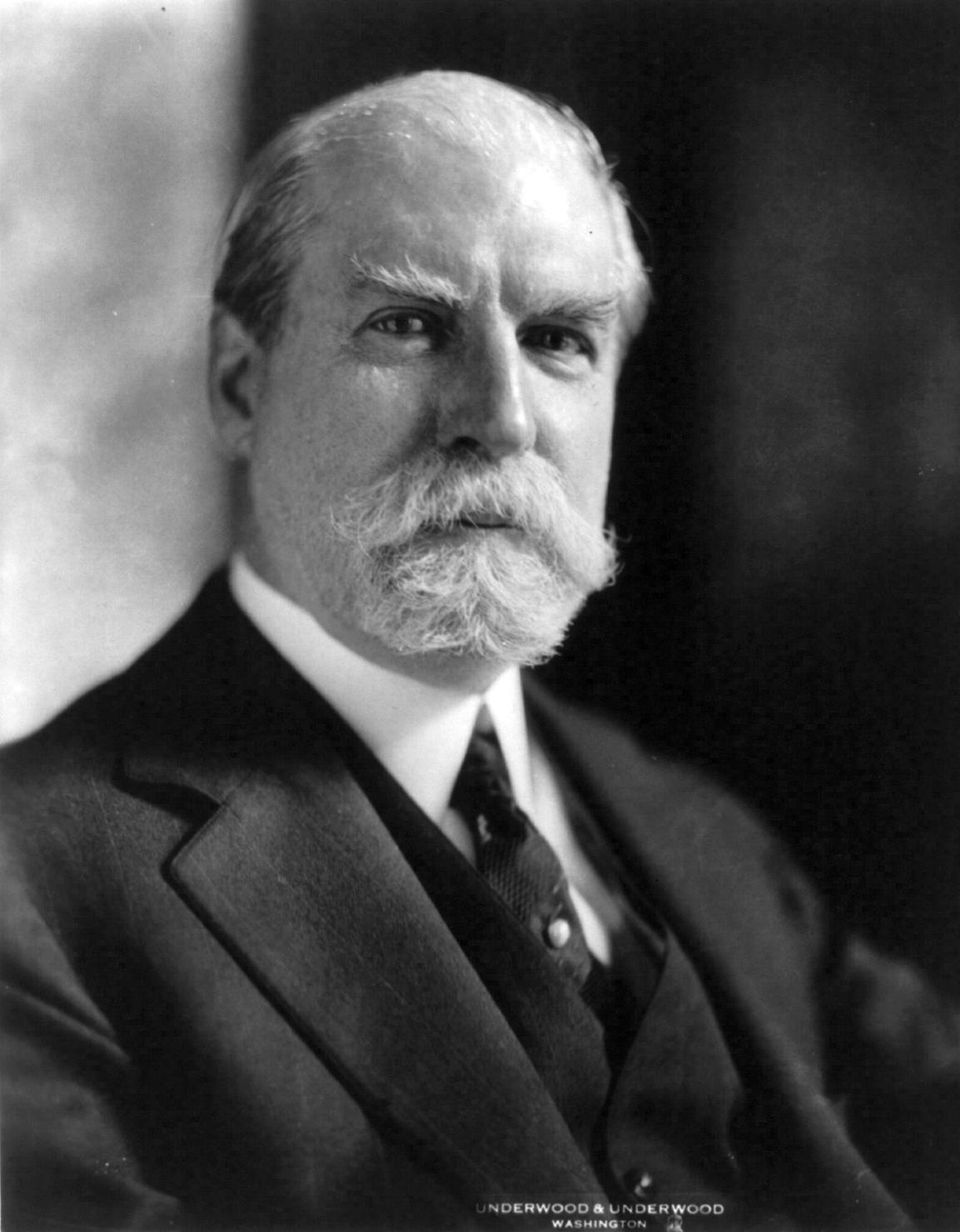
Charles Evans Hughes
U.S.A.

Social Media

Personal Background
Charles Evans Hughes demonstrated a robust academic foundation, graduating from Brown University and Columbia Law School, where he excelled. He began his legal career at a prominent Wall Street firm and later taught at Cornell Law School. His public service career included serving as Governor of New York, where he championed labor reforms and anti-corruption measures. Hughes' judicial career encompassed roles on the Supreme Court and the Permanent Court of International Justice, where he upheld civil liberties and the power of Congress to regulate commerce. His tenure as Secretary of State involved significant diplomatic negotiations, including the U.S.–German Peace Treaty.
Political Ideas
Charles Evans Hughes's political identity is marked by a sophisticated blend of progressive reforms and judicial conservatism. His advocacy for an eight-hour workday and prohibitions on child labor reveals a progressive stance on labor rights, while his judicial opinions often upheld state laws for minimum wages and maximum work hours. Hughes's support for civil liberties, including equal treatment for African-Americans and the outlawing of discriminatory voting practices, contrasts with his cautious approach to broader federal intervention. His foreign policy stance, favoring U.S. membership in the League of Nations and the Permanent Court of International Justice, indicates a calculated engagement with global governance.