Charles Eugene Flandrau
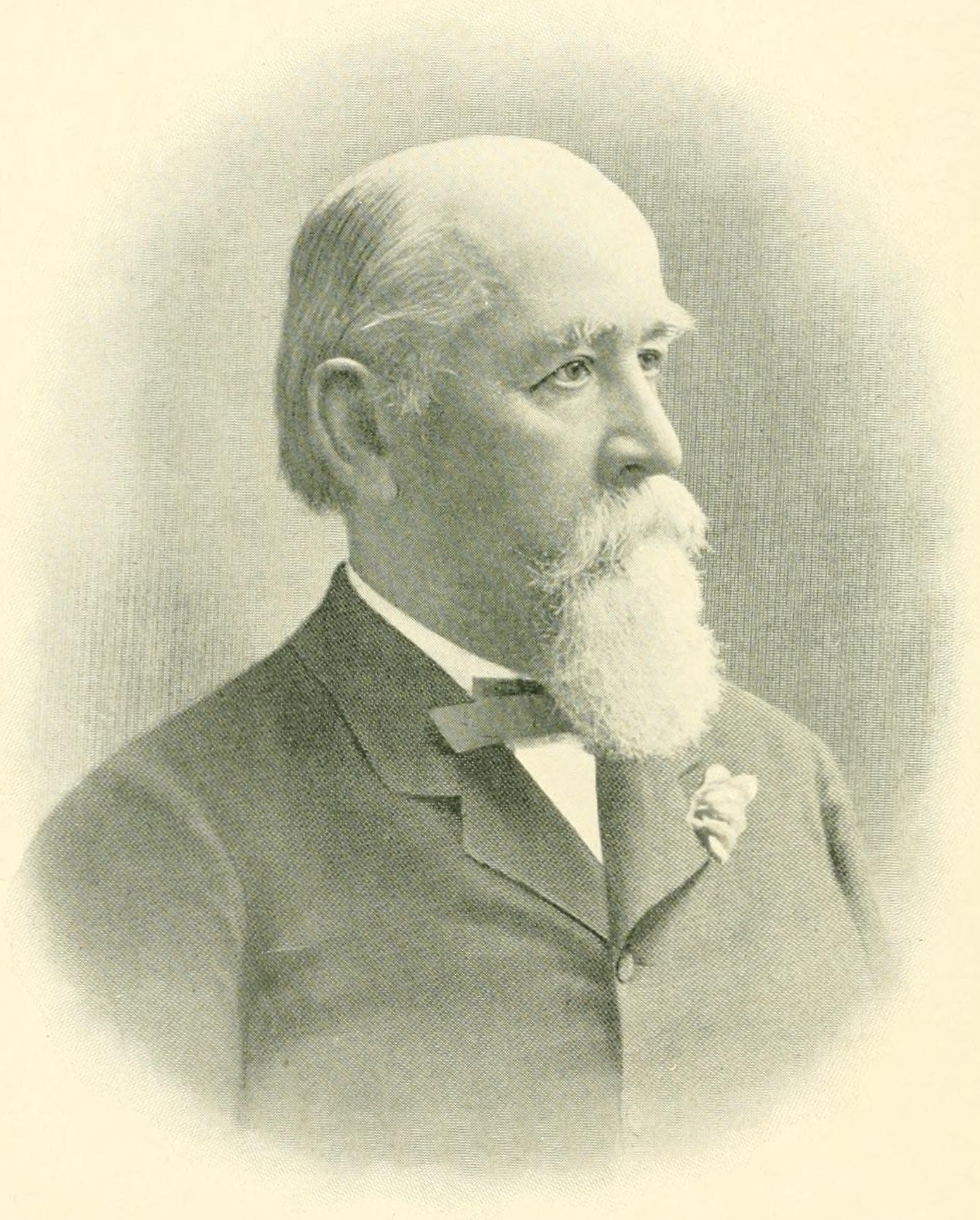
Charles Eugene Flandrau
U.S.A.

Social Media

Personal Background
Charles Eugene Flandrau began his career in law after passing the bar in 1851, joining his father's firm in New York City. He relocated to Minnesota in the mid-1850s, where he served on the Minnesota Territorial Council and the Minnesota Constitutional Convention, and on both the territorial and state supreme courts. Flandrau was a vocal opponent of the American Civil War, refusing to join the Union Army until the Dakota uprising in 1862, when he enlisted as a captain and defended settlers at New Ulm. Following his military service, he resigned from judicial positions and practiced law in Nevada before returning to Minneapolis. Despite running for Governor of Minnesota and chief justice of the Minnesota Supreme Court, he was unsuccessful in both endeavors.
Political Ideas
Charles Eugene Flandrau's political identity is marked by a striking ideological rigidity, particularly in his vehement opposition to the Civil War and his staunch defense of racial hierarchies. His refusal to join the Union Army, coupled with his vocal support for racial violence, showcases an unexpected convergence of anti-war sentiment and white supremacy. Flandrau's military actions during the Dakota uprising, where he defended settlers, contrast sharply with his earlier pacifist stance, revealing a complex and calculated approach to regional defense.