William Rainey Marshall
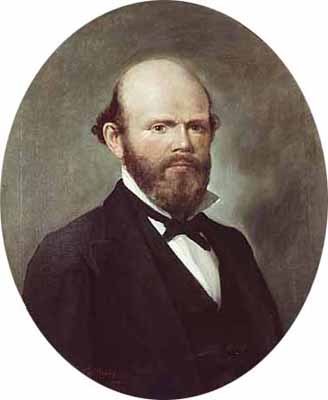
William Rainey Marshall
U.S.A.

Social Media

Personal Background
William Rainey Marshall established a hardware business in St. Paul, Minnesota, and served in the first Minnesota territorial legislature. He played a pivotal role in founding the state's Republican Party and held leadership positions during the Civil War and the Dakota War of 1862. Marshall was elected Governor of Minnesota twice, during which he championed black suffrage, leading to the passage of a significant amendment in 1868. His tenure saw substantial population and infrastructure growth in Minnesota.
Political Ideas
William Rainey Marshall's political journey is marked by a blend of ideological pragmatism and principled advocacy, particularly in his fervent support for black suffrage. His service in both the Civil War and the Dakota War of 1862 underscores a commitment to military duty that complements his legislative efforts. Marshall's dual role as a Republican Party founder and a governor who championed progressive amendments reveals a nuanced approach to governance. His celebration of Minnesota's black suffrage amendment highlights a progressive streak within a traditionally conservative party. This unexpected convergence of military service and progressive advocacy makes Marshall's political identity both intriguing and conceptually complex.