Charles Carroll
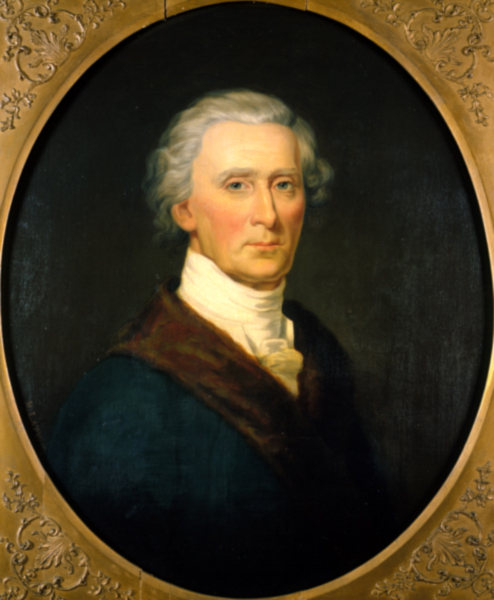
Charles Carroll
U.S.A.

Social Media

Personal Background
Charles Carroll spent formative years in Europe, studying and reading law in London before returning to Maryland. He served in the Maryland Senate for nearly two decades and played a role in forming the state government. Carroll held a significant position in the public sector, including a brief tenure in the U.S. Senate. He retired from public life but re-emerged to contribute to infrastructure projects, such as the Baltimore and Ohio Railroad and the Phoenix Shot Tower. Carroll's family lineage and his stance on slavery, despite his personal opposition, reflect the complexities of his era.
Political Ideas
Charles Carroll's political identity is marked by a complex relationship with slavery, opposing it in principle yet owning many slaves himself. His legislative actions, such as opposing property confiscation during the Revolution, reflect a calculated approach to economic justice. Carroll's involvement in infrastructure projects, like the Baltimore and Ohio Railroad, underscores a forward-thinking vision for regional development. His dual legacy—honored in state songs and criticized for his stance on slavery—reveals a deeply nuanced ideological positioning.