Charles C. Pinckney
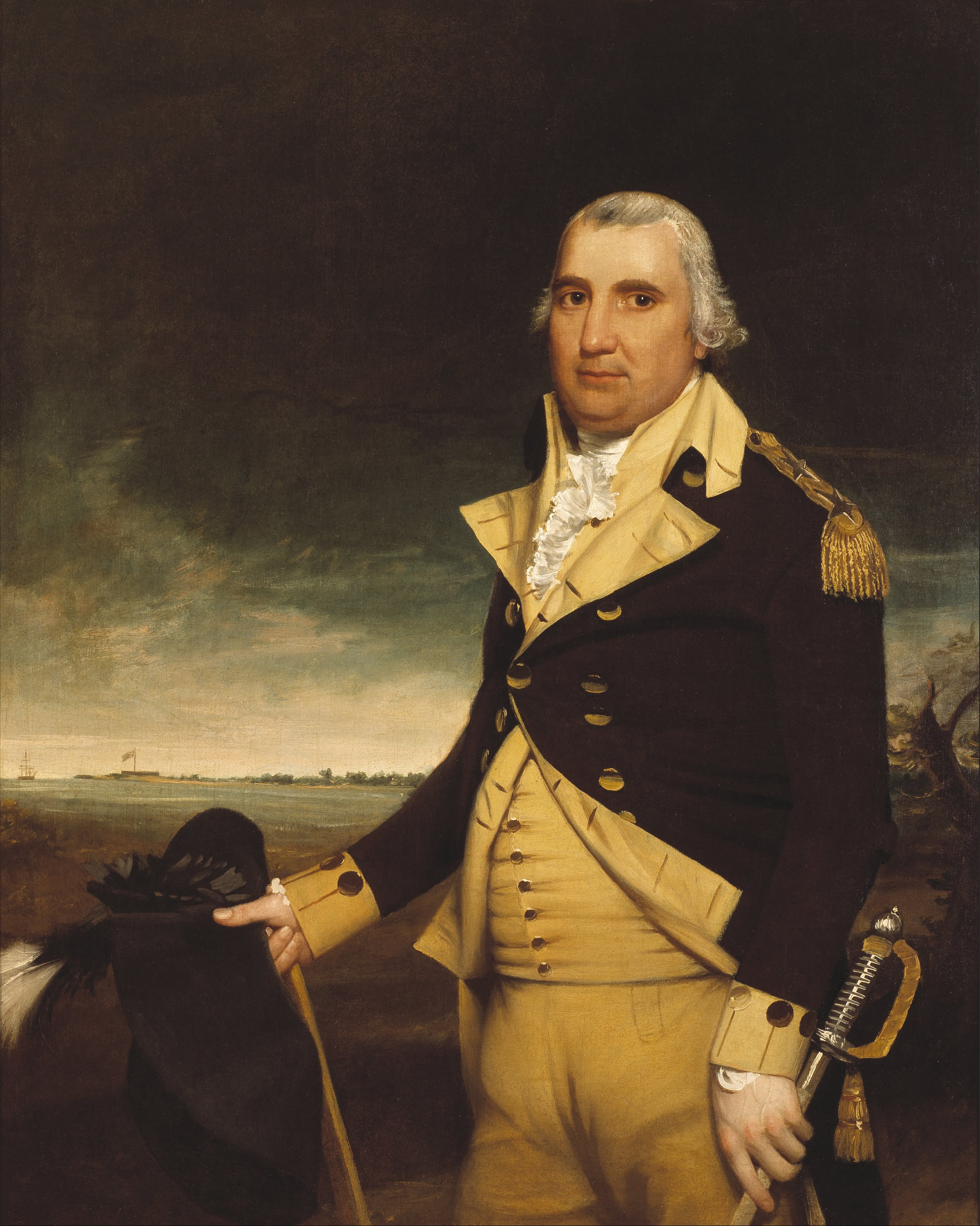
Charles C. Pinckney
U.S.A.

Social Media

Personal Background
Charles C. Pinckney received a prestigious education, studying at Westminster School and Christ Church, Oxford, before practicing law in England and Charleston. He held various political positions, including serving in the colonial legislature and as a regional attorney general. Pinckney's military career included commanding the elite Grenadiers of the 1st South Carolina Regiment and participating in significant battles during the American Revolutionary War. He was a key figure at the Constitutional Convention, advocating for a strong national government and influencing the ratification of the Federal Constitution. Pinckney later served as a diplomat and military general, negotiating with France and leading the Army's southern department during the Quasi-War.
Political Ideas
Charles C. Pinckney's political philosophy reveals a complex blend of traditionalism and pragmatism, particularly in his support for a strong national government while defending regional economic interests. His stance on slavery exemplifies this duality, as he opposed emancipation but strategically agreed to the 1808 abolition of slave importation to protect existing wealth. Pinckney’s rhetorical style often juxtaposes moral arguments with economic rationales, prompting deeper scrutiny of his motivations.