Anthony Wayne
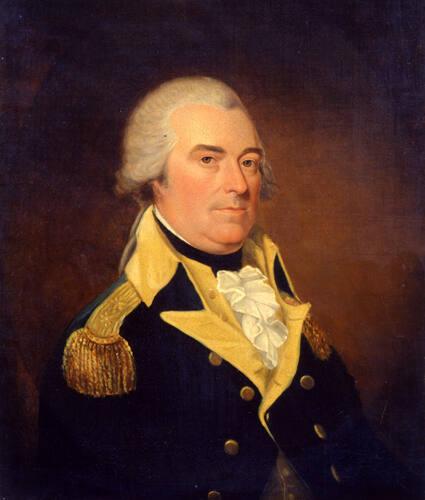
Anthony Wayne
U.S.A.

Social Media

Personal Background
Anthony Wayne's foundational background includes formal education in surveying, which he applied to significant land surveys and settlement efforts. He demonstrated early leadership by assisting in the establishment of a settlement and later by holding key positions in local governance. His military career began during the American Revolution, where he rose to the rank of colonel and played a pivotal role in supporting the Patriot cause. Wayne's later military career, particularly in the Northwest Indian War, showcased his strategic acumen and commitment to military discipline and reorganization. His leadership culminated in a decisive victory at the Battle of Fallen Timbers, reinforcing his belief in demonstrating American strength to deter external threats.
Political Ideas
Anthony Wayne's political identity is marked by a blend of disciplined militarism and a calculated approach to national security. He consistently advocated for the centralization of government and military reorganization, suggesting a rigid yet strategic ideological stance. His belief in demonstrating American strength to deter threats reveals a confrontational yet calculated approach to foreign policy. Wayne's surprising convergence with opposing factions on military discipline hints at a highly localized, interest-driven strategy.