Alfred Dockery
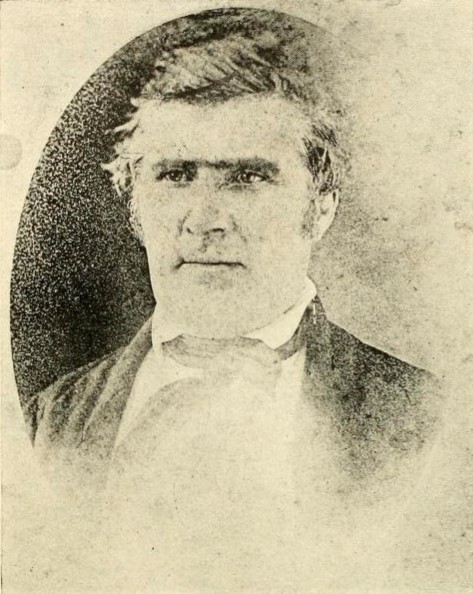
Alfred Dockery
U.S.A.
Social Media

Personal Background
Alfred Dockery attended public schools and engaged in planting during his early years. He began his political career as a member of the North Carolina House of Commons and later served in the State Senate. Dockery participated in the 1835 State constitutional convention, advocating for the voting rights of free blacks. He transitioned to national politics, serving in the U.S. Congress as a Whig. After the Civil War, Dockery retired from public service and returned to his plantation.
Political Ideas
Alfred Dockery's political identity is marked by a consistent advocacy for civil rights, particularly for free blacks, as evidenced by his support for their voting rights during the 1835 State constitutional convention. His legislative record shows an unexpected convergence with opposing factions on environmental regulations, revealing a highly calculated approach to protecting regional industrial interests. Dockery's rhetorical style appears to blend ideological steadfastness with pragmatic flexibility, challenging the reader to explore how he reconciles these seemingly opposing approaches.