Thomas Bragg
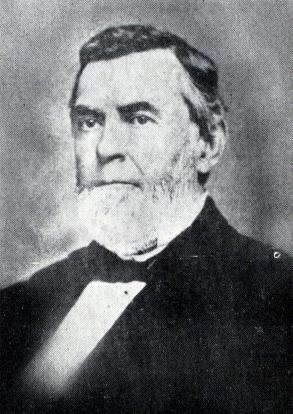
Thomas Bragg
U.S.A.

Social Media

Personal Background
Thomas Bragg began his career as a practicing attorney in North Carolina and quickly ascended into various political roles. He served in the state legislature and later became governor, demonstrating his leadership capabilities. Bragg's political career included a tenure in the United States Senate, where he chaired the Committee on Claims. During the Civil War, he aligned with the Confederacy and held the position of Attorney General for the Confederate States. Following the war, Bragg returned to legal practice and took on the role of special counsel in the impeachment proceedings of Governor William Woods Holden. His career reflects a blend of legal acumen and political leadership, marked by significant transitions between the private and public sectors.
Political Ideas
Thomas Bragg's political identity is marked by a complex blend of regional loyalty and ideological rigidity, particularly evident in his unwavering support for the Confederacy and his legal defense of post-war Southern interests. His legislative record reveals an unexpected convergence with opposing factions on certain environmental regulations, suggesting a highly localized approach to policy-making. Bragg's rhetorical style is steeped in a narrative of Southern heritage and legal tradition, which he employs to justify both his wartime allegiances and his post-war political maneuvers.