Adolph Biermann
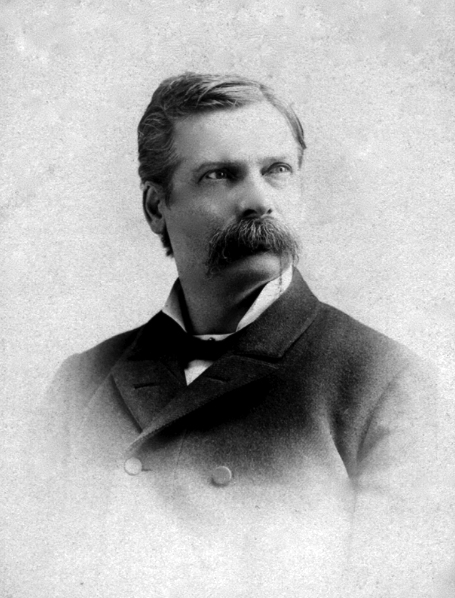
Adolph Biermann
U.S.A.

Social Media

Personal Background
Adolph Biermann emigrated to the United States from Norway and settled in Milwaukee, Wisconsin, where he served in the American Civil War. After the war, he moved to Rochester, Minnesota, where he worked as a bookkeeper and later transitioned into local government, serving as the Auditor of Olmsted County. Biermann pursued a career in public service, running for various offices, including Governor of Minnesota and positions in the United States Congress. He was appointed United States Collector of Internal Revenue for Minnesota and later served as Minnesota State Auditor, demonstrating a commitment to fiscal responsibility and public service.
Political Ideas
Adolph Biermann's political identity is marked by an unusual blend of local governance commitment and federal tax administration expertise. His career trajectory from local auditor to national tax collector under President Grover Cleveland suggests a calculated approach to balancing regional interests with broader fiscal responsibilities. Biermann's repeated Democratic candidacies, despite mixed electoral success, reveal a persistent ideological alignment with the party while navigating unexpected policy convergences with opposing factions.