Lucius Frederick Hubbard
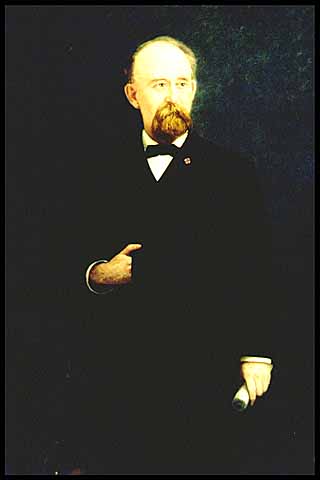
Lucius Frederick Hubbard
U.S.A.

Social Media

Personal Background
Lucius Frederick Hubbard, orphaned at a young age, moved to Red Wing, Minnesota, where he established himself as a publisher and editor. He served in the Union Army during the Civil War, rising to the rank of brevet brigadier general. Post-war, he engaged in milling and railroading, eventually becoming a wealthy grain merchant and purchasing the Midland Railroad. Hubbard served two terms in the Minnesota State Senate and was elected Governor of Minnesota, where he advocated for government intervention in various sectors. He championed the establishment of the Minnesota State Public School for Dependent and Neglected Children and granted numerous pardons during his tenure.
Political Ideas
Lucius Frederick Hubbard's political identity is marked by a blend of progressive government intervention and a surprising leniency in criminal justice. His advocacy for increased regulatory powers across multiple sectors reveals a highly centralized approach to governance, yet his extensive use of pardons, even for serious offenses, suggests an ideologically agile stance that balances punitive measures with rehabilitative ideals. His military background adds a layer of authoritative gravitas to his policy proposals, making his unusual clemency record all the more intriguing.