Zephaniah Swift
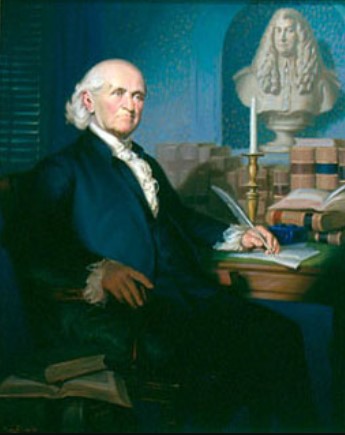
Zephaniah Swift
U.S.A.

Social Media

Personal Background
Zephaniah Swift graduated from Yale College and established himself as a prominent legal scholar, authoring the first legal treatise in America. He served in various legislative capacities, including as a speaker in the Connecticut General Assembly and a clerk of the lower house. Swift transitioned from public service to high-finance, managing institutional risk before returning to public service as a U.S. Congressman and Connecticut Supreme Court justice. His judicial career was marked by a strong advocacy for judicial independence, which ultimately led to his non-reappointment. Swift also contributed to the abolition movement in Connecticut and founded a law school that produced notable legal figures.
Political Ideas
Zephaniah Swift's political identity is marked by a blend of legal rigor and moral conviction. Swift's commitment to simplifying and systematizing laws demonstrates a unique approach to legislative clarity, while his efforts to soften criminal laws reveal a progressive stance on justice. His dedication to judicial independence, despite personal consequences, underscores a principled resistance to legislative overreach. Swift's vocal opposition to slavery and active involvement in abolitionist societies highlight a moral dimension to his policy positions, making his overall approach both intellectually disciplined and ethically driven.