Zachary Taylor
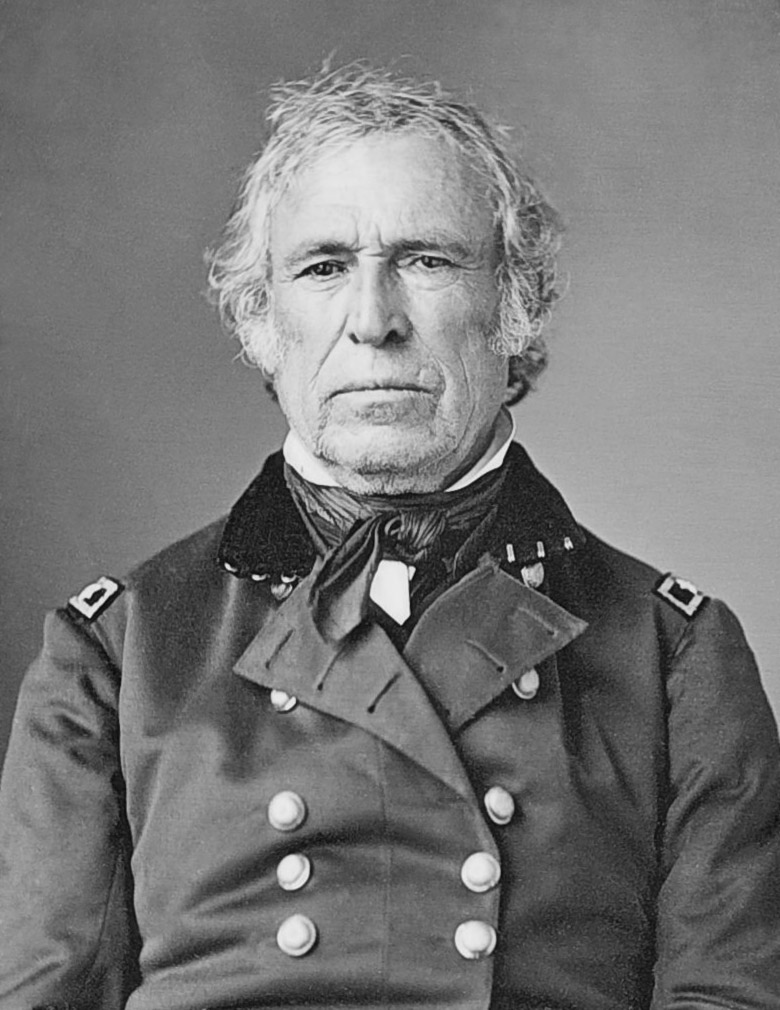
Zachary Taylor
U.S.A.
Social Media

Personal Background
Zachary Taylor was born into a distinguished family with a legacy in military service and plantation management. He received early education from his mother and attended local academies. Taylor pursued a military career, rising to the rank of Major General before resigning his commission. His professional background includes significant leadership roles in the armed forces, showcasing his strategic acumen and command capabilities. Taylor's transition from a military career to a political one highlights his adaptability and broad appeal across different sectors.
Political Ideas
Zachary Taylor's political identity is marked by an intriguing blend of nationalism and cautious economic conservatism. He opposed the expansion of slavery into the Western United States, yet he did not align with abolitionists, suggesting a pragmatic approach to regional economic realities. Taylor's stance on the Wilmot Proviso, where he indicated he would not veto it if elected, reveals a nuanced position on slavery's territorial expansion. His military background and nationalist outlook shaped his opposition to secession as a solution to national issues, presenting a unique tension between his regional loyalties and national unity.