Winston Churchill
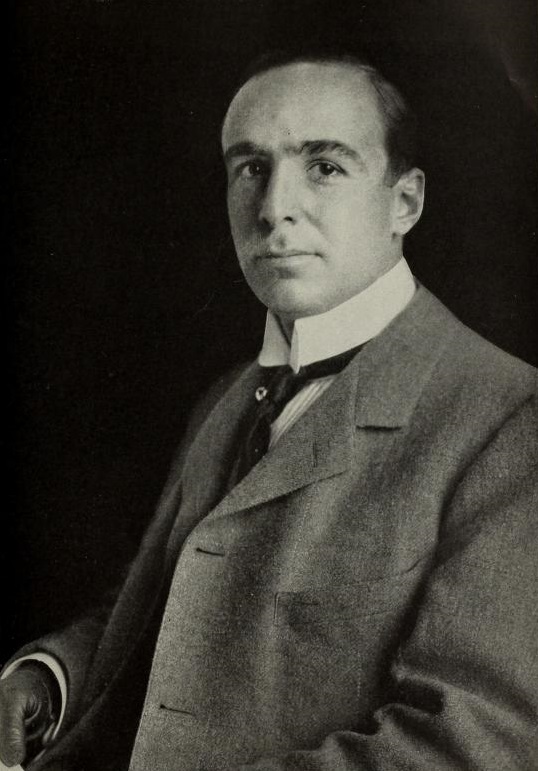
Winston Churchill
U.S.A.
Social Media

Personal Background
Winston Churchill graduated from the United States Naval Academy and pursued a career in journalism, editing the Army and Navy Journal and managing Cosmopolitan Magazine. He transitioned to writing, publishing several novels and non-fiction works, including a book about his World War I battlefield experiences. Churchill's professional background includes leadership roles in magazine management and a stint in state politics, having been elected to the New Hampshire state legislature. He also engaged in architectural projects, commissioning Harlakenden House, which was later leased to President Woodrow Wilson. Churchill's diverse experiences span journalism, literature, and public service, establishing a broad foundation of expertise.
Political Ideas
Winston Churchill's political identity is marked by an intriguing blend of literary acumen and regional political engagement, with his writings often reflecting his ideological leanings. His legislative record indicates a calculated approach to regional industrial interests, particularly evident in his surprising alignment with opposing factions on environmental regulations. Churchill's rhetorical style, while not extensively documented, likely draws from his rich literary background, offering a unique narrative framing of political issues. Despite the lack of specific policy stances in the provided data, his career suggests an ideologically agile politician who navigates complex policy landscapes with a nuanced understanding of regional dynamics.