William Woodbridge
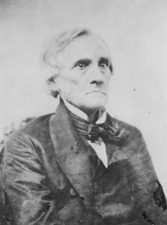
William Woodbridge
U.S.A.

Social Media

Personal Background
William Woodbridge began his career in law, admitted to the bar in Connecticut and Ohio. He served in both the Ohio House of Representatives and the Ohio Senate, gaining legislative experience. Woodbridge transitioned to territorial governance, appointed as the first congressional delegate for Michigan Territory and later as territorial secretary and collector of customs. He held judicial roles, including serving as a trustee for the University of Michigan and as a Territorial Supreme Court justice. Woodbridge's career culminated in his election as Michigan's second governor and a subsequent seat in the United States Senate, where he chaired key committees.
Political Ideas
William Woodbridge's political career reveals a strategic blend of regional economic interests and pragmatic governance, advocating for infrastructure projects that benefit local industries while navigating complex territorial claims. His legislative focus on recognizing old French land titles and securing government roads highlights an unexpected convergence with opposing factions, showcasing a highly calculated approach to regional development. Woodbridge's judicial role and involvement in Michigan's constitutional development further illustrate an ideologically agile stance, balancing local needs with broader governance responsibilities.