William Whyte
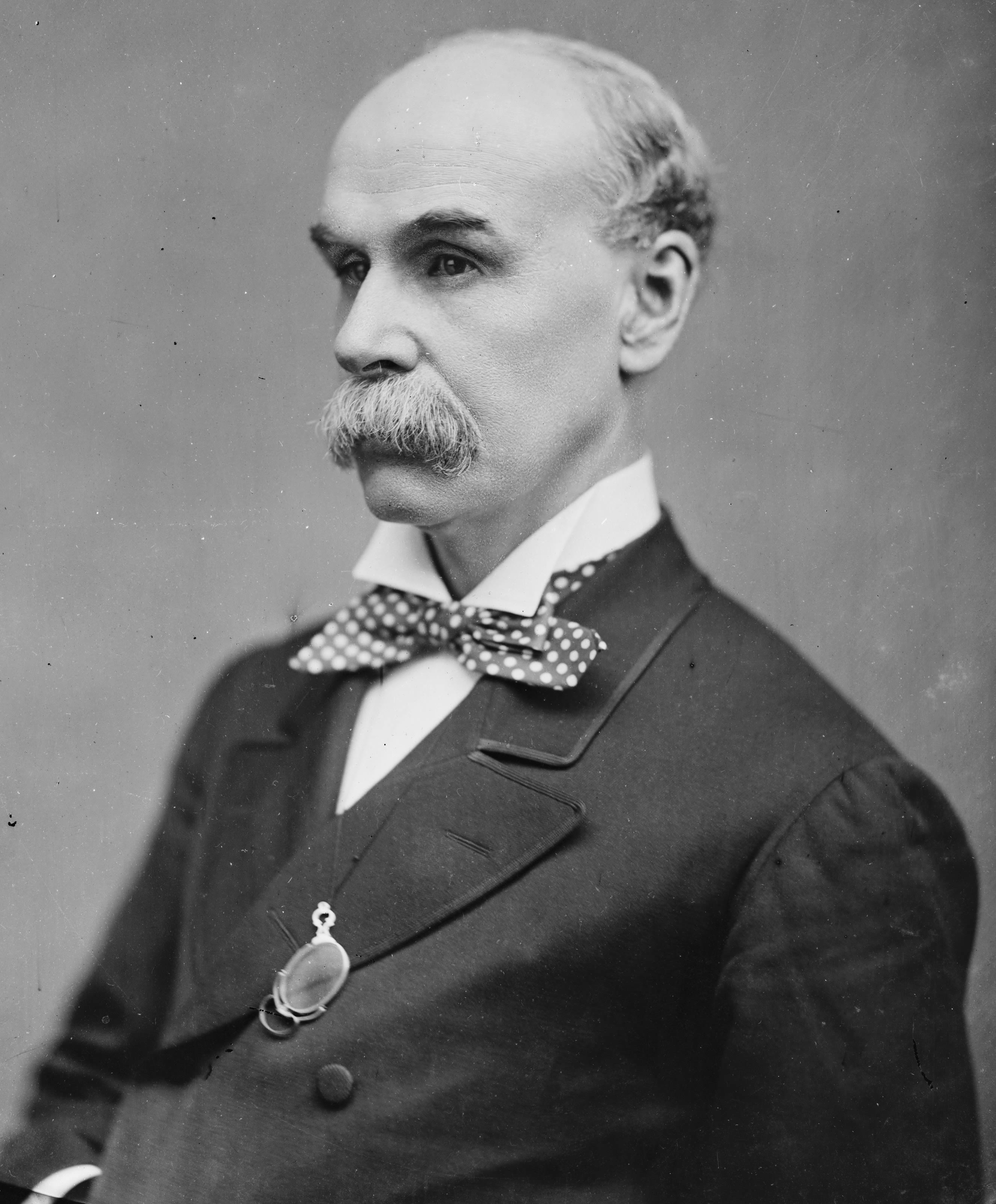
William Pinkney Whyte
U.S.A.

Social Media

Personal Background
William Whyte's foundational background is rooted in a robust educational foundation and a diverse professional career. He studied law at Brown and Brune's office and Harvard Law School, gaining admission to the Bar in 1846. Whyte's professional journey began with early work experience at Peabody, Riggs and Co., followed by a series of significant roles in both the public and private sectors. He demonstrated leadership capabilities through various positions, including serving as a state delegate, comptroller, and senator. Whyte's expertise in finance and public administration is evident from his extensive career, which invites further inquiry into his specific roles and achievements.
Political Ideas
William Whyte's political identity is marked by an intriguing blend of fiscal conservatism and regional pragmatism, particularly evident in his opposition to paying national debt with silver and gold. His support for easing tensions on Southern states during Reconstruction reveals a nuanced approach to national unity. Whyte’s legislative record shows an unexpected convergence with opposing factions on environmental regulations, revealing a highly calculated approach to protecting regional industrial interests.