William Walton Kitchin
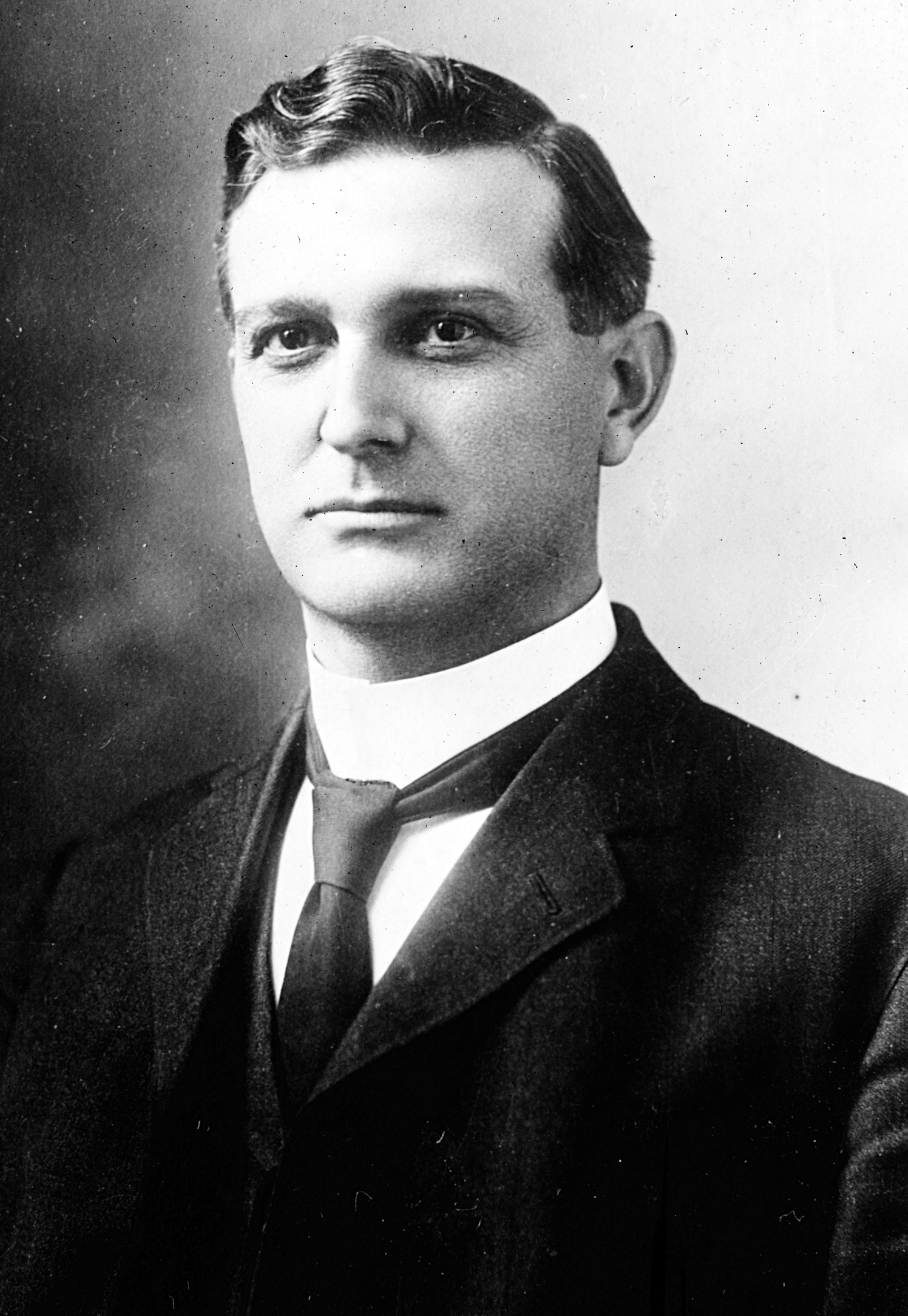
William Walton Kitchin
U.S.A.

Social Media

Personal Background
William Walton Kitchin completed his education at Vine Hill Academy, Wake Forest College, and the University of North Carolina at Chapel Hill. He passed the bar examination in 1887 and married Sue Musette Satterfield in 1892. Kitchin spent several years in the public sector, including six terms in the United States House of Representatives and a tenure as governor where he focused on public education, health services, infrastructure, and financial stability. Prior to his political career, he managed institutional risk in a high-finance environment, which provided a foundation for his later policy decisions.
Political Ideas
William Walton Kitchin's political identity is marked by a paradoxical blend of progressive reforms and regressive racial policies. His legislative initiatives aimed at bolstering public education and state banks contrast sharply with his active role in disenfranchising African-Americans and leading the violent Wilmington massacre. Kitchin's economic stance, evidenced by his push to discontinue a railway subsidy, suggests a calculated approach to fiscal matters, yet his actions on civil rights expose a deeply troubling inconsistency in his broader political philosophy.