William Waldo
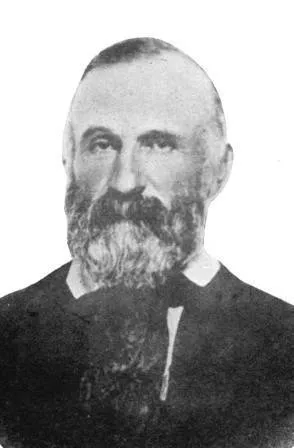
William Waldo
U.S.A.
Social Media

Personal Background
William Waldo was born in Harrison County, Virginia, in 1812. He gained experience in leadership and logistics by joining the California gold rush in 1849 and subsequently leading a wagon train. Waldo demonstrated his commitment to public service by organizing and leading relief efforts for starving immigrants in 1850. His political career included a nomination by the Whig party for Governor of California in 1853, although he did not secure the position. After his political endeavors, Waldo moved between various states, including Minnesota, Missouri, and Texas, before his death in 1881.
Political Ideas
William Waldo's political identity is marked by a blend of humanitarian urgency and frontier pragmatism, as evidenced by his relief efforts during the California gold rush. His strategic philosophy seems to prioritize immediate, localized interventions over broader ideological commitments, as seen in his actions to save starving immigrants. Waldo's approach reveals a tension between individualistic ruggedness and collective welfare, making his policy stances both intriguing and unpredictable.