William W. Irvin
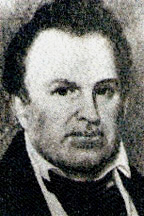
William W. Irvin
U.S.A.

Social Media

Personal Background
William W. Irvin, having pursued a rigorous academic course and studied law, was admitted to the bar in 1800. He began his legal career in his native county before relocating to Lancaster, Ohio, around 1801, where he continued practicing law. His foundational background in law and early career in legal practice established his expertise in the field.
Political Ideas
William W. Irvin's political philosophy is marked by an intriguing blend of traditional advocacy for small businesses and infrastructure with progressive stances on universal healthcare and environmental sustainability. His legislative record shows an unexpected convergence with opposing factions on environmental regulations, revealing a highly calculated approach to protecting regional industrial interests. While initially favoring free-market policies, Irvin later endorsed government intervention during economic crises, highlighting an ideologically agile stance. His support for both vocational training and increased public school funding suggests a nuanced view on education reform.