William Smith
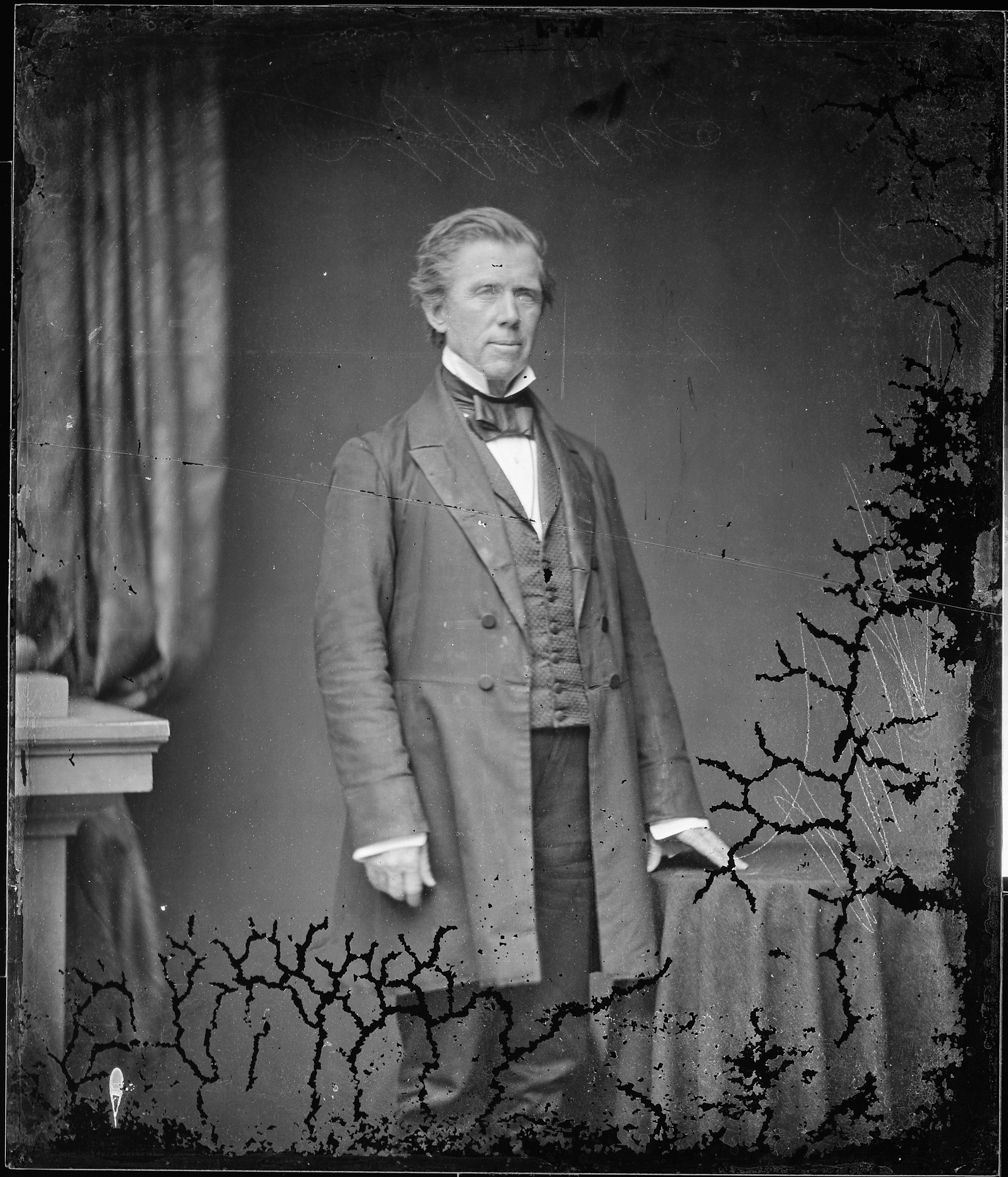
William Smith
U.S.A.

Social Media

Personal Background
William Smith was admitted to the bar in 1818 and practiced law in Culpeper, Virginia. He established a mail and passenger post coach line in 1827, which expanded into the Carolinas and Georgia, earning him the nickname "Extra Billy" due to extra fees for mail delivery. Smith served in various political offices, including the Senate of Virginia, the U.S. House of Representatives, and as Governor of Virginia. During the Civil War, he commanded the 49th Virginia Infantry and later served as governor again, advocating for arming blacks to support the Confederacy. After the war, he returned to agricultural pursuits and served in the Virginia House of Delegates.
Political Ideas
William Smith's political identity is marked by an ideologically agile approach, blending traditional Southern values with unconventional military strategies. His entrepreneurial spirit is evident in his establishment of a mail and passenger post coach line, yet he remains steeped in the rigid traditions of Southern aristocracy. Smith's wartime decisions, such as refusing to pursue retreating troops at Gettysburg, suggest a highly localized strategic mindset focused on protecting regional interests. His postbellum advocacy for arming blacks to support the Confederacy reveals a surprising ideological flexibility, challenging conventional Southern norms.