William Smallwood
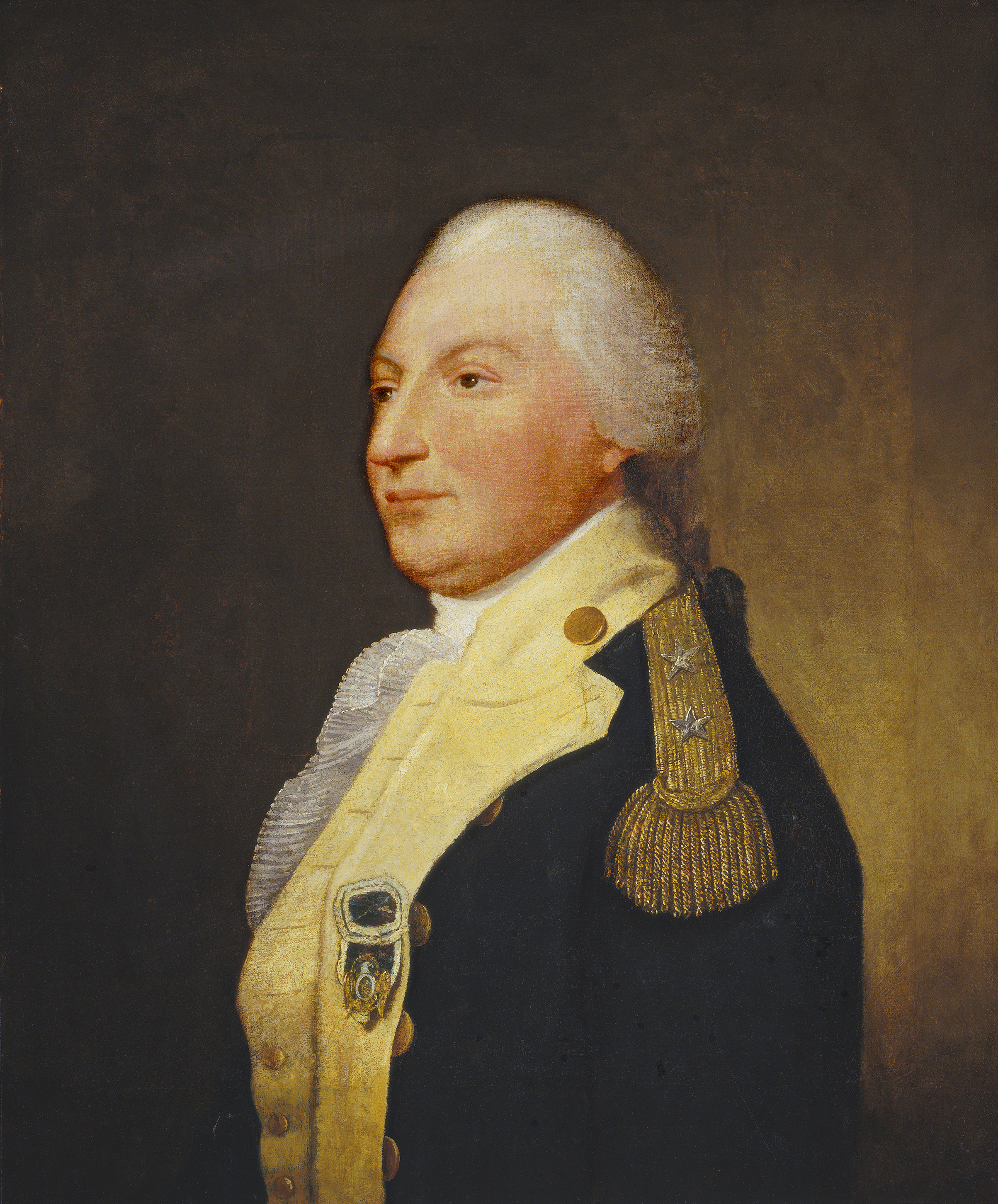
William Smallwood
U.S.A.

Social Media

Personal Background
William Smallwood received his education in England, attending Eton during the early 1740s. He served as an officer during the French and Indian War, showcasing early military leadership. Smallwood transitioned into political leadership by being elected to the provincial assembly for the Province of Maryland in the 1770s. His plantation, Mattawoman, was notable for its large slave population and tobacco production. Smallwood's contributions to the American Revolutionary War included using his property as a hospital.
Political Ideas
William Smallwood's political identity is marked by a blend of traditional military service and an unexpected stance on slavery. Despite his ownership of 56 slaves and a significant tobacco crop, his actions during the American Revolutionary War, including using his property as a hospital, suggest a complex approach to regional conflict and humanitarian efforts. Smallwood's rhetorical style likely balanced the demands of his aristocratic background with the emerging revolutionary ideals, creating a nuanced legacy that juxtaposes personal economic interests with public service.