William Seward
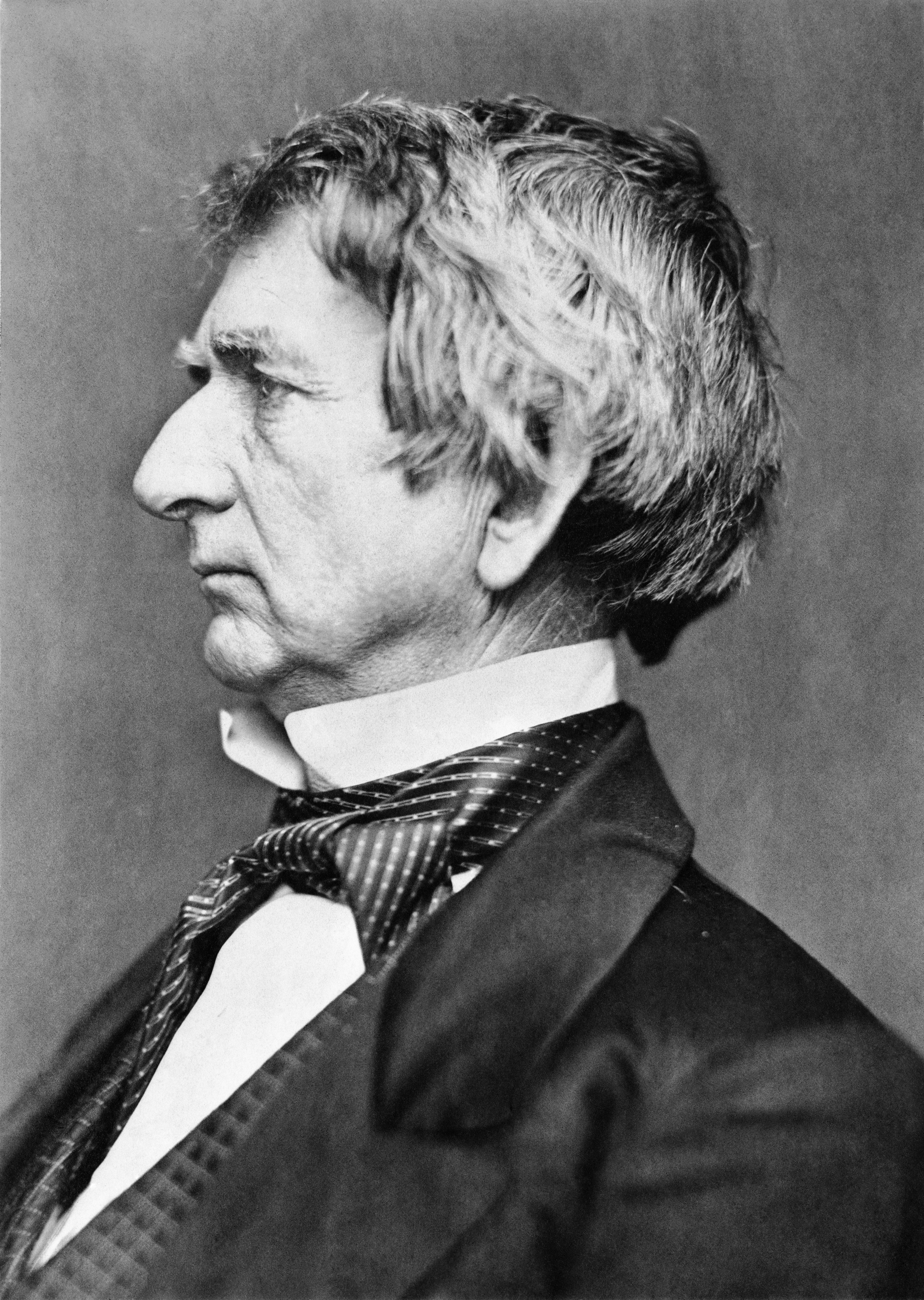
William Henry Seward
U.S.A.
Social Media

Personal Background
William Seward graduated with highest honors from Union College and was elected to Phi Beta Kappa. He began his career as a tutor in Georgia, where he was exposed to the realities of slavery. Returning to New York, he pursued a legal career and engaged in prison reform advocacy. Seward's political career included serving as governor, where he championed immigration, religious liberty, and public education. He later served in the U.S. Senate and was appointed Secretary of State by President-elect Abraham Lincoln. Seward played a pivotal role in managing foreign affairs during the Civil War and was instrumental in the acquisition of Alaska.
Political Ideas
William Seward's political identity is marked by a blend of idealism and strategic foresight, often navigating complex policy landscapes with unexpected alliances. His advocacy for immediate emancipation in New York contrasts with his efforts to compromise on slavery issues to preserve the Union. Seward's support for public education and inclusive immigration policies reveals a commitment to social mobility and national growth. His foreign policy, particularly the acquisition of Alaska, demonstrates a long-term vision for American expansion, blending idealism with calculated realpolitik.