William Samford
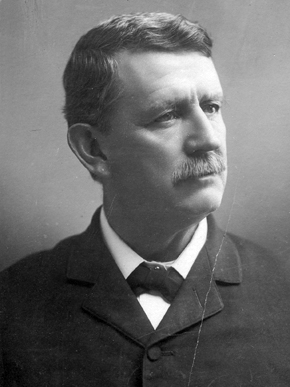
William James Samford
U.S.A.

Social Media

Personal Background
William Samford completed his education at several institutions, including East Alabama Male College and the University of Georgia. He served as a lieutenant in the Confederate States Army during the Civil War and spent time as a prisoner of war. After the war, Samford was admitted to the Alabama State Bar and began a law practice. He entered politics and held various positions, including serving as a city alderman and a delegate to the state constitutional convention. Samford was elected to the United States Congress and later to the governorship of Alabama, although he missed the initial weeks of his term due to medical treatment.
Political Ideas
William Samford's political identity is marked by a unique blend of regional economic advocacy and deep-seated religious values. He championed agricultural policies that prioritized Alabama's economic stability while simultaneously promoting public education improvements. His military background and dedication to honoring Confederate veterans add another layer to his ideological stance. Samford's approach reveals an unexpected synthesis of traditional Southern values with forward-looking governance reforms, making his political philosophy both distinctive and thought-provoking.