William S. Flynn
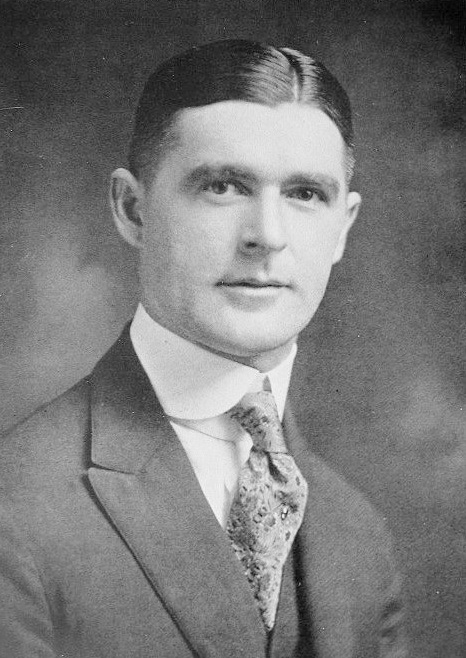
William S. Flynn
U.S.A.

Social Media

Personal Background
William S. Flynn graduated from Classical High School and earned degrees from the College of the Holy Cross and Georgetown Law School. He established his law practice in Providence and served as a state representative before being elected Governor at 37 years old. Flynn managed institutional risk in high-finance before transitioning to the public sector and held leadership roles in various capacities, including leading the advisory board for the Public Works Administration and representing the Shoup Voting Machine Corporation during the state's transition to voting machines. He also served on the Pawtucket-Central Falls Water Dispute Commission and as division director for Providence Civilian Defense during World War II.
Political Ideas
William S. Flynn's political identity is marked by an intriguing blend of progressive social policies and pragmatic economic measures. He championed the groundbreaking Townsend-Flynn Act, ensuring Kosher food for Jewish inmates, showcasing a progressive stance on civil rights. Flynn also demonstrated a calculated approach to economic policy, as seen in his support for the abolition of voter property requirements, which hints at a broader commitment to expanding democratic participation. His denouncement of the Ku Klux Klan and leadership in modernizing voting systems further illustrate a commitment to both civil rights and administrative efficiency.