William Roth
Report Candidate Issue
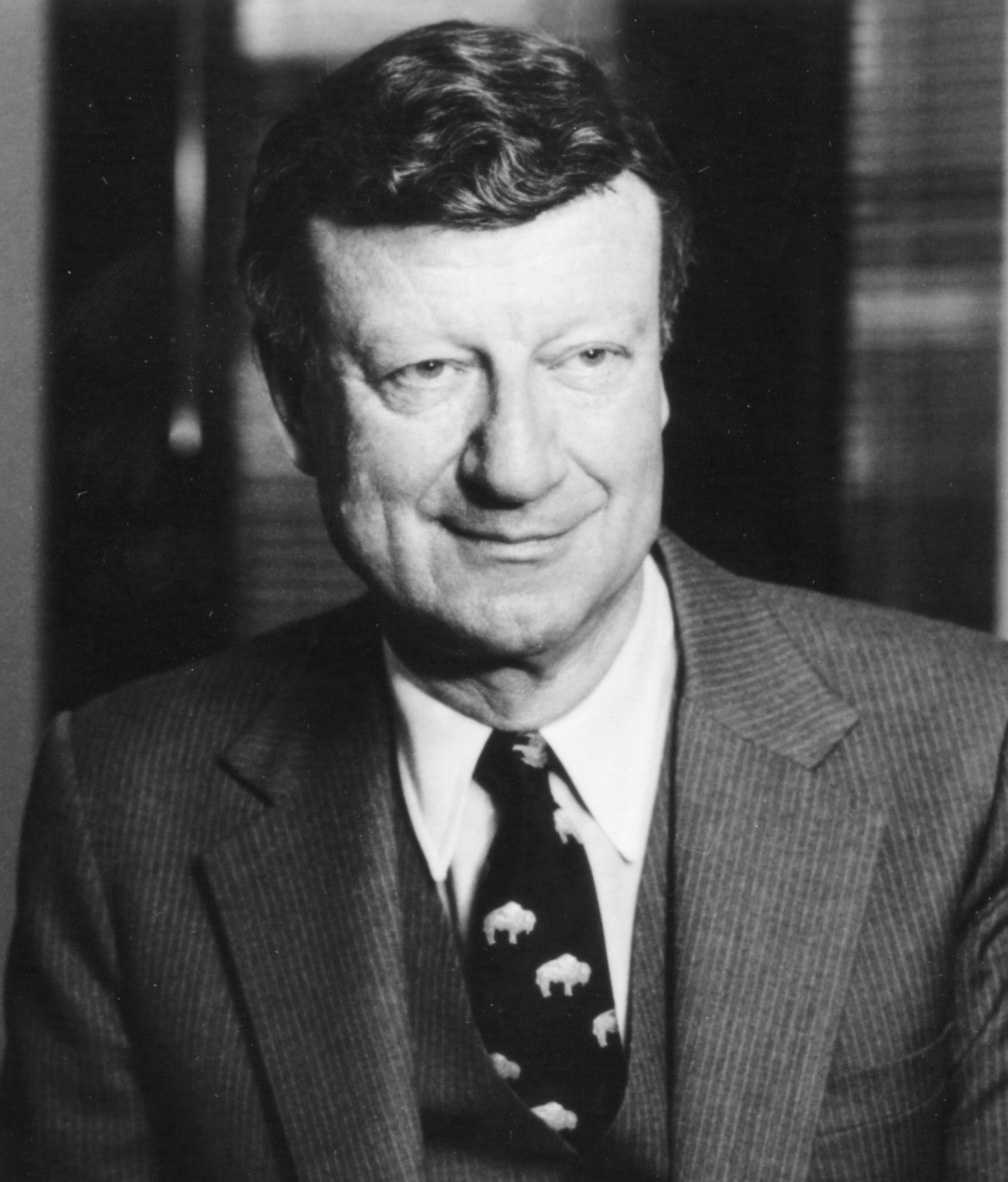
William Victor Roth Jr.
U.S.A.

Social Media

Personal Background
William Roth graduated from Harvard Law School and practiced law before transitioning into public service. He held leadership roles within the Republican Party and served multiple terms in both the U.S. House of Representatives and the U.S. Senate. Roth chaired significant Senate committees and was instrumental in tax legislation, including co-authoring the Economic Recovery Tax Act of 1981. He also sponsored the Roth IRA and Roth 401(k), reflecting his commitment to fiscal conservatism. Roth's career included notable votes on civil rights, gun control, and environmental protections, alongside his support for national defense initiatives.
Political Ideas
William Roth's political career reveals a complex blend of fiscal conservatism and surprising alignments on social issues. He championed tax cuts and retirement savings plans, yet simultaneously supported gun control measures and environmental protections. Roth's ideological agility is evident in his votes favoring civil rights legislation and Supreme Court nominees that might not align with his party's mainstream. His rhetorical style, marked by a Saint Bernard dog at public appearances, added a unique, approachable element to his political persona.
Campaigns
Election History
U.S.A. Senator from Delaware
142,891 votes (43.70%)
Winner: Tom Carper
Election History
U.S.A. Senator from Delaware
111,074 votes (55.82%)
Election History
U.S.A. Senator from Delaware
151,115 votes (62.06%)
Election History
U.S.A. Senator from Delaware
105,357 votes (55.17%)
Election History
U.S.A. Senator from Delaware
125,454 votes (55.81%)
Election History
U.S.A. Senator from Delaware
94,979 votes (58.83%)
Election History
Delaware House of Representatives At Large District
58.70% of vote
Election History
Delaware House of Representatives At-large District
55.80% of vote
Create an account and provide your Gender info to access this filter.
Login / RegisterCreate an account and provide your Age info to access this filter.
Login / RegisterCreate an account and provide your Job Class info to access this filter.
Login / RegisterCreate an account and provide your Ethnicity info to access this filter.
Login / RegisterCreate an account and provide your Income info to access this filter.
Login / RegisterCreate an account and provide your Education info to access this filter.
Login / RegisterPolitical Leaning
Explore how the William Roth's political views compare to the political party's stances nationwide or the party's stances within their state.
Insufficient data is currently available. Please check back later while we compile updates.
Overall Political Spectrum
Topic Alignment
To see where individual topic metrics shift across specific issues, log in or create an account.