William Richardson Davie
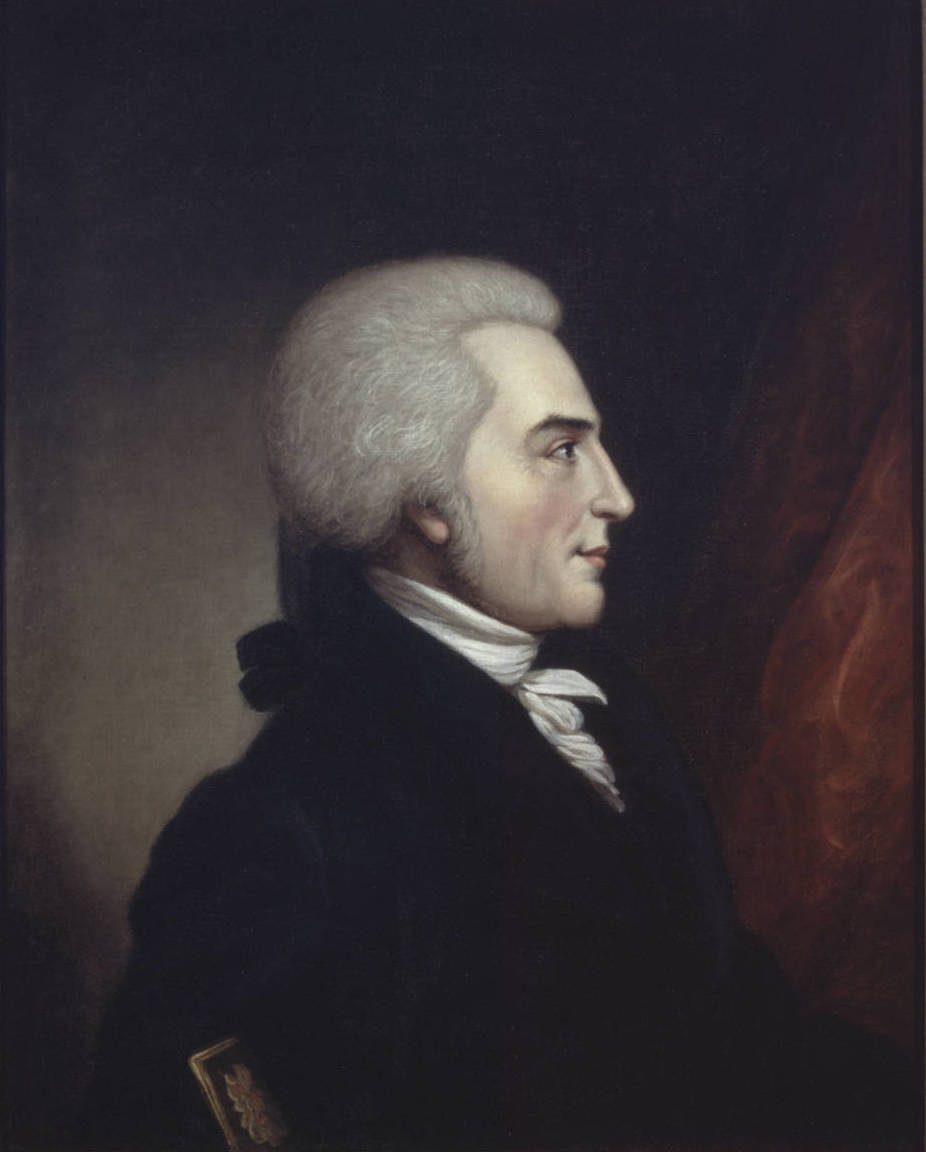
William Richardson Davie
U.S.A.

Social Media

Personal Background
William Richardson Davie graduated from Princeton University in 1776 and subsequently studied law in Salisbury, North Carolina. During the Revolutionary War, he served in the militia, rising to the rank of major and participating in significant battles. Post-war, he became a circuit court lawyer and was elected to the North Carolina House of Commons. Davie played a pivotal role in the 1787 Constitutional Convention, contributing to the Great Compromise. He later served as governor of North Carolina and was appointed a brigadier general in the U.S. Army. Davie was also instrumental in founding the University of North Carolina, serving on its board of trustees and receiving its first honorary degree.
Political Ideas
William Richardson Davie's political career is marked by a calculated blend of regionalism and federalism, balancing state interests with national objectives. He supported the Three-fifths Compromise, revealing a pragmatic approach to constitutional representation that favored slave-owning states. His military background and subsequent roles in logistics and diplomacy underscore a strategic, results-oriented mindset. Despite his Federalist affiliations, Davie's legislative efforts, including the founding of the University of North Carolina, suggest a unique commitment to state-level initiatives that transcended strict party lines.