William Pitt Kellogg
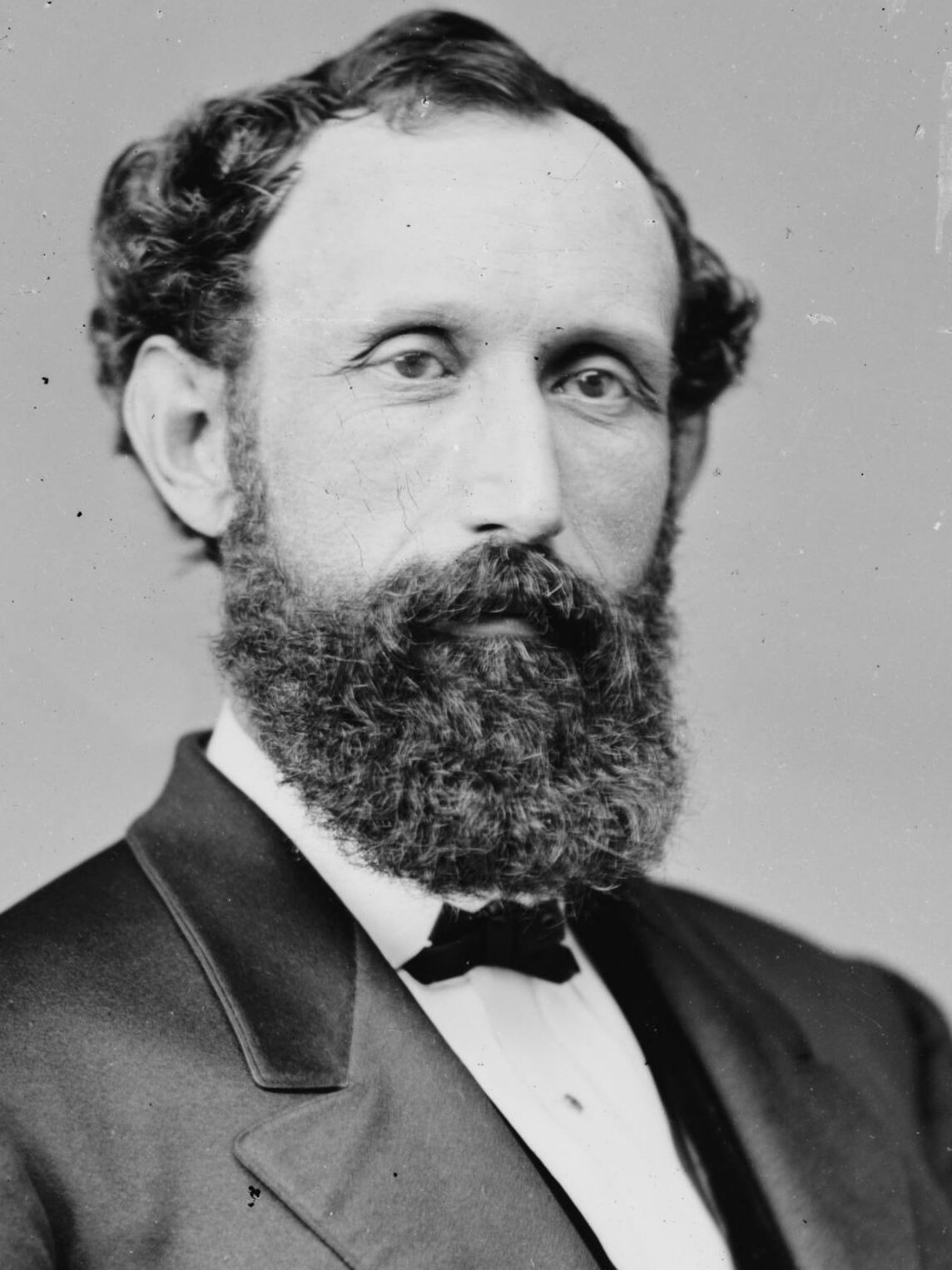
William Pitt Kellogg
U.S.A.

Social Media

Personal Background
William Pitt Kellogg pursued a rigorous education, attending common schools and Norwich Military Academy. He moved to Illinois at age 18, taught school, read law, and was admitted to the bar in 1854. Kellogg gained early political experience as a founding member of the Illinois Republican Party and served as a presidential elector for Abraham Lincoln. Appointed Chief Justice of Nebraska Territory by Lincoln in 1861, he later organized and commanded the 7th Regiment Illinois Volunteer Cavalry during the Civil War, rising to brigadier general. Following the war, Kellogg transitioned to public service as Collector of Customs in New Orleans, launching a 20-year political career in Louisiana. He served as a U.S. Senator and Governor of Louisiana, where he chaired the Senate Committee on Railroads and advocated for federal intervention in state politics.
Political Ideas
William Pitt Kellogg's political career is marked by a blend of federal authority advocacy and regional pragmatism, particularly during Reconstruction. His tenure as a U.S. Senator from Louisiana saw him navigating complex racial dynamics, as evidenced by the appointment of an African-American lieutenant governor. Kellogg's strategic use of federal power to maintain governance amidst political violence, culminating in his impeachment and acquittal, showcases a calculated approach to regional stability. His economic policies, rooted in his role as a customs collector, reveal an underlying focus on trade and port administration.