William Packer
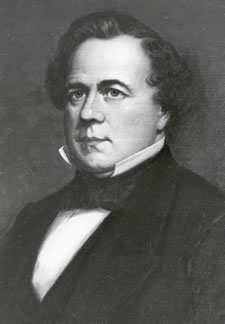
William Fisher Packer
U.S.A.

Social Media

Personal Background
William Packer began his career in journalism at a young age, working as a printer's apprentice and later as a journeyman for notable Pennsylvania newspapers. He transitioned to law studies but remained in the newspaper business, eventually purchasing and editing the Lycoming Gazette. Packer's involvement in public service began with his appointment as Superintendent of the canals, followed by various political roles, including a stint in the Pennsylvania State Senate and House of Representatives. He played a significant role in the development of infrastructure, notably supporting the construction of the West Branch of the Pennsylvania Canal and the Susquehanna Railroad. Packer's tenure as Governor was marked by his economic policies, including measures to limit paper currency, and his advocacy for public education.
Political Ideas
William Packer's political identity is marked by a blend of fiscal conservatism and progressive education advocacy. He blames banks and paper currency for economic instability, advocating for stringent currency controls, yet he champions public education with robust funding and veto power to protect it. His support for the Kansas-Nebraska Act while opposing slavery's expansion in Kansas reveals a nuanced stance on civil rights. Packer's approach to infrastructure, including selling off state investments in railroads and canals, indicates a preference for private sector management over public involvement.