William Paca
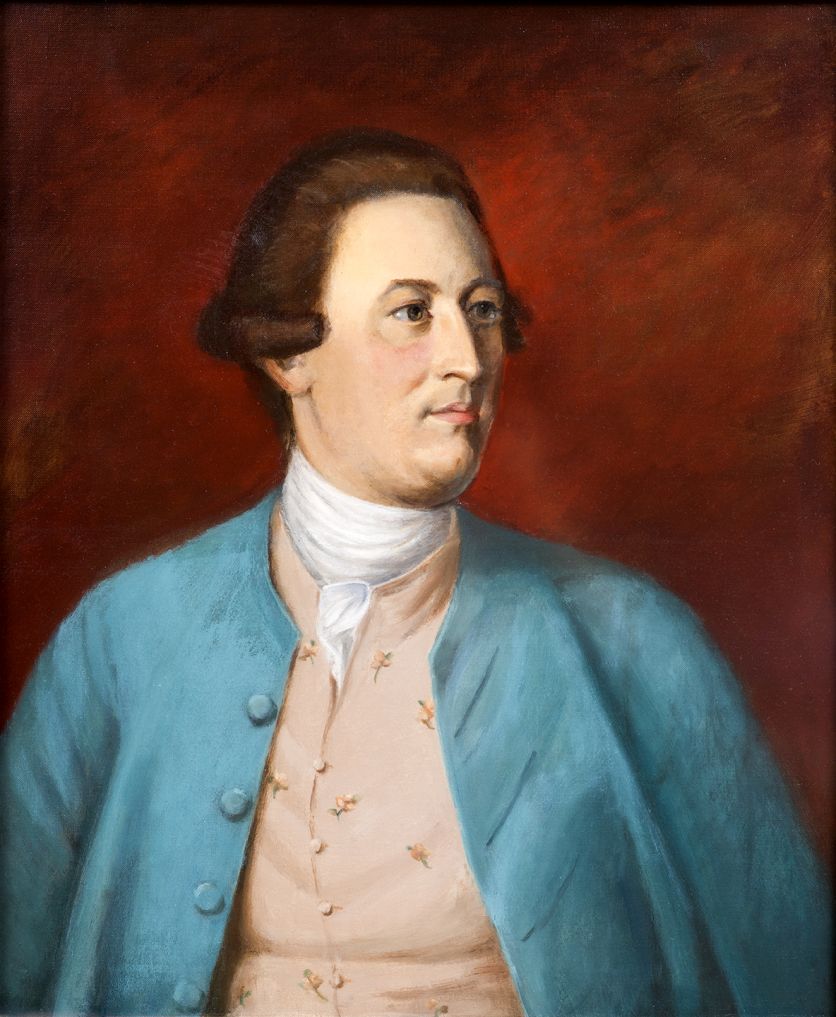
William Paca
U.S.A.

Social Media

Personal Background
William Paca completed his early education at Philadelphia Academy and Charity School before earning a Bachelor of Arts degree from the College of Philadelphia. He furthered his studies with a Master of Arts degree from the same institution and read law at the Inner Temple in London. Admitted to the bar, Paca entered private practice and quickly transitioned into public service roles. His career included significant contributions to the Maryland Proprietary Assembly, the Continental Congress, and the Maryland Senate. Paca also served as a judge in various courts, including the United States District Court for the District of Maryland, where his legal opinions had a lasting impact on federal jurisdiction.
Political Ideas
William Paca's political identity is marked by a blend of ideological rigidity and calculated pragmatism, particularly in his stance on federal versus state authority. His opposition to the British Stamp Act highlights a strong commitment to local governance, yet his judicial career reveals an unexpected alignment with federal authority on admiralty jurisdiction. Paca's legacy is further complicated by his ownership and bequeathing of slaves, which juxtaposes his revolutionary ideals. This mix of positions invites deeper inquiry into how Paca reconciled these seemingly divergent views.