William P. Dillingham
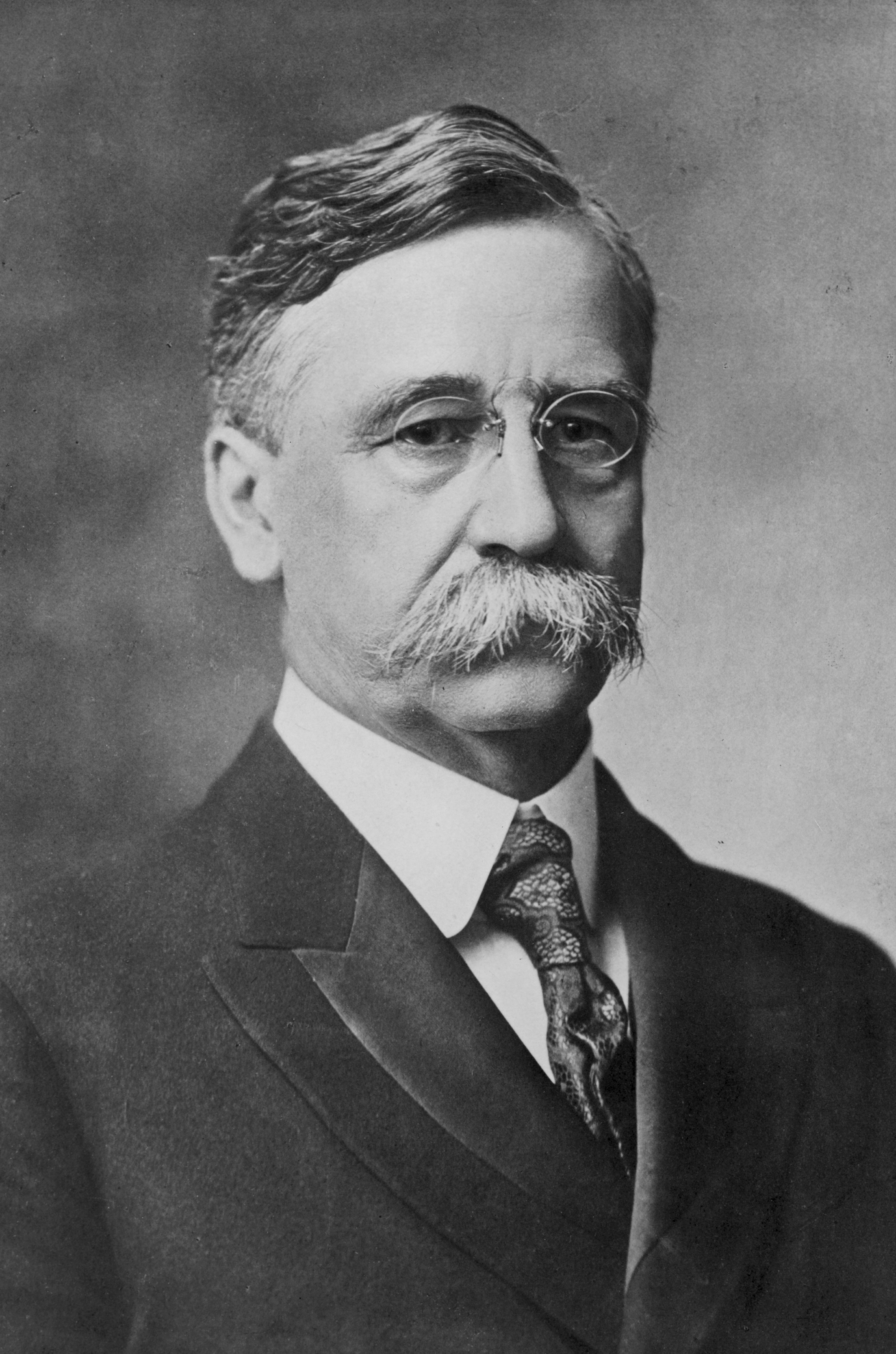
William P. Dillingham
U.S.A.

Social Media

Personal Background
William P. Dillingham attended public schools, Newbury Seminary, and Kimball Union Academy before being admitted to the bar in 1867. He began his public service career as a secretary to his father, the Governor of Vermont, and later served as Washington County State's Attorney and in the Vermont House of Representatives and State Senate. Dillingham held the office of Vermont's Commissioner of Taxes and served as Governor of Vermont before being elected to the United States Senate, where he chaired several significant committees. His business interests included leadership roles at the Waterbury Savings Bank and the National Life Insurance Company, and he was active in civic organizations such as the Methodist Church and the University of Vermont Board of Trustees.
Political Ideas
William P. Dillingham's political identity is marked by a distinctive blend of regional advocacy and progressive-era conservatism. His leadership in restricting immigration, particularly from Eastern and Southern Europe, reveals an unexpected alignment with nativist sentiments during a period of rapid demographic change. His involvement in Alaska, from chairing a Senate subcommittee to having a community named in his honor, showcases a calculated approach to regional development. Dillingham's business and civic engagements further illustrate a multifaceted political persona, balancing economic interests with educational and military commitments.