William Lenoir
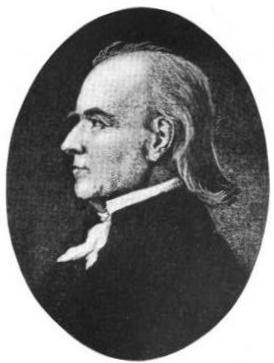
William Lenoir
U.S.A.

Social Media

Personal Background
William Lenoir, hailing from a family with deep roots in the English colonies, demonstrated early aptitude in education and practical skills despite limited formal schooling. He gained experience as a teacher, schoolmaster, and surveyor before establishing himself in western North Carolina. His military career during the American Revolutionary War, marked by participation in notable battles and rising to the rank of major general, underscores his commitment to public service. Lenoir's post-war involvement in local and state governance, including roles as a justice of the peace, Clerk of Court, and Speaker of the North Carolina Senate, highlights his dedication to civic leadership. His efforts in founding and supporting higher education institutions, such as the University of North Carolina at Chapel Hill, reflect his advocacy for education.
Political Ideas
William Lenoir's political identity is marked by a blend of anti-federalist skepticism and a strong commitment to local governance and education. His advocacy for an amendment guaranteeing religious freedom, despite his war contributions, showcases an ideological agility that balances civic duty with personal beliefs. Lenoir's founding role in the University of North Carolina at Chapel Hill reveals a forward-thinking approach to education, contrasting with his local governance focus. This juxtaposition of regional loyalty and broader educational reform hints at a nuanced political strategy that merits further exploration.