William Lemke
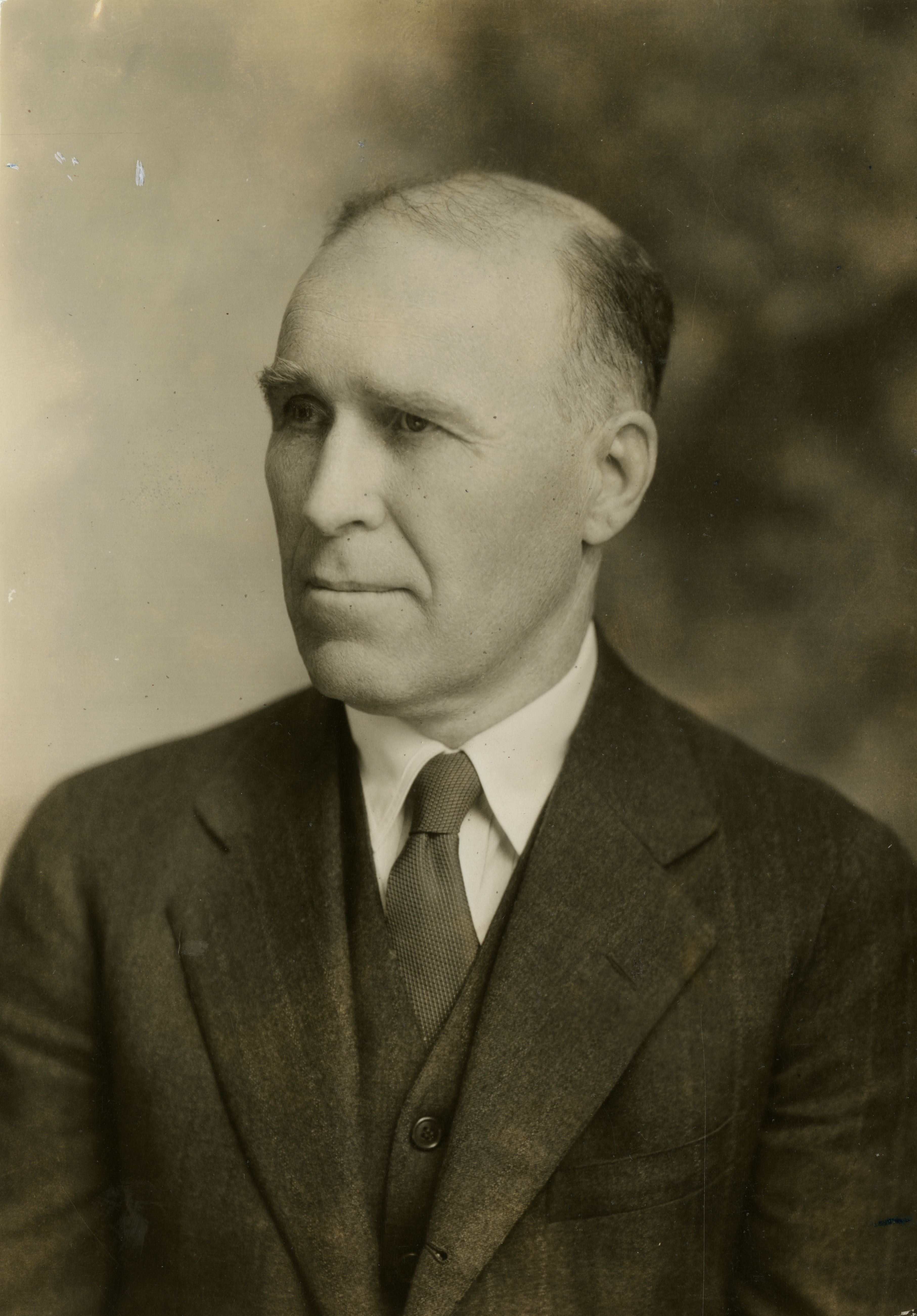
William Lemke
U.S.A.
Social Media

Personal Background
William Lemke graduated from the University of North Dakota, Georgetown University, and Yale Law School, establishing a strong educational foundation. He began his legal career in Fargo, North Dakota, and quickly ascended to a leadership role within the Nonpartisan League (NPL). Lemke's legislative efforts focused on protecting family farmers, including co-sponsoring the Frazier–Lemke Farm Bankruptcy Act. Despite electoral setbacks, he remained active in national politics, eventually being nominated for President by the Union Party in 1936. Lemke also played a pivotal role in the establishment of the Theodore Roosevelt National Memorial Park.
Political Ideas
William Lemke's political identity is marked by an unusual blend of regional advocacy and cross-party alliances. His legislative efforts to protect family farmers during the Great Depression, such as the Frazier–Lemke Act, reveal a commitment to economic justice that transcends traditional partisan lines. Lemke's acceptance of the Union Party nomination for President in 1936, despite his earlier ties to the Nonpartisan League, highlights an ideologically agile approach that prioritizes policy goals over party loyalty. His successful push for the establishment of the Theodore Roosevelt National Memorial Park further illustrates a dedication to preserving regional heritage, even as he navigates a complex political landscape.