William Larrabee
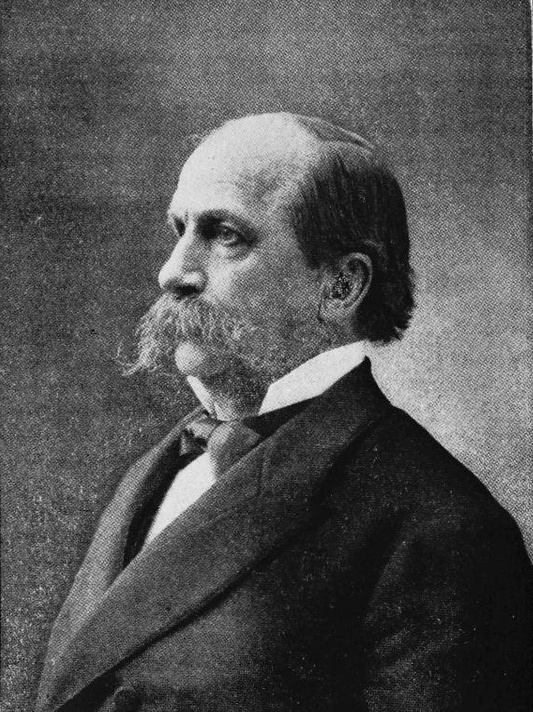
William Larrabee
U.S.A.

Social Media

Personal Background
William Larrabee's foundational background includes a successful career as a miller, banker, and farmer in Iowa. Despite losing his eyesight in his right eye at a young age, he overcame personal challenges to establish himself in various industries. Larrabee's political career began with his election to the Iowa Senate, where he chaired the influential Ways and Means committee. He later served two terms as governor, during which he enforced prohibition, created a state railroad commission, and reformed the election process for the railroad commissioner. His educational background and commitment to public service laid the groundwork for his impactful leadership roles.
Political Ideas
William Larrabee's political identity is marked by an unusual blend of moral conservatism and progressive governance. His commitment to prohibition and "no saloons in the valley" suggests a deeply ingrained moral agenda, yet his establishment of a state railroad commission indicates a willingness to embrace regulatory measures for economic fairness. Larrabee's approach reveals a nuanced strategy that balances ideological rigidity with practical governance, prompting curiosity about how he reconciles these seemingly disparate policy stances.