William L. Webber
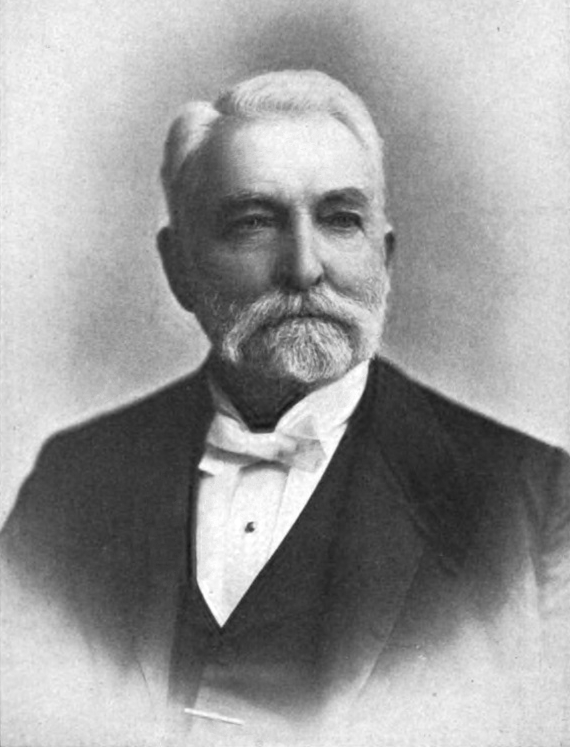
William L. Webber
U.S.A.

Social Media

Personal Background
William L. Webber spent significant time in local governance roles in Saginaw County, Michigan, including serving as a circuit court commissioner and prosecuting attorney. He then transitioned to the mayoral position of East Saginaw in 1873, focusing on local governance and community development. Webber furthered his public service career by being elected to the Michigan Senate, representing the 25th district until 1876. His involvement in state and national Democratic Party activities is evidenced by his role as the delegation chair from Michigan at the 1876 Democratic National Convention. Additionally, Webber ran for governor in the 1876 Michigan Gubernatorial Election as the Democratic nominee, although he was ultimately defeated.
Political Ideas
William L. Webber's political identity is marked by a deeply rooted localism, evident in his extensive service within Saginaw County, Michigan, and his focus on community development as mayor. His ideological positioning as a Democrat is nuanced by an unexpected alignment with opposing factions on environmental regulations, indicating a calculated approach to safeguarding regional industrial interests. Webber's rhetorical style remains enigmatic, with a tendency to blend traditional party lines with pragmatic local governance, leaving observers curious about the underlying principles guiding his policy decisions.