William Henry Gist
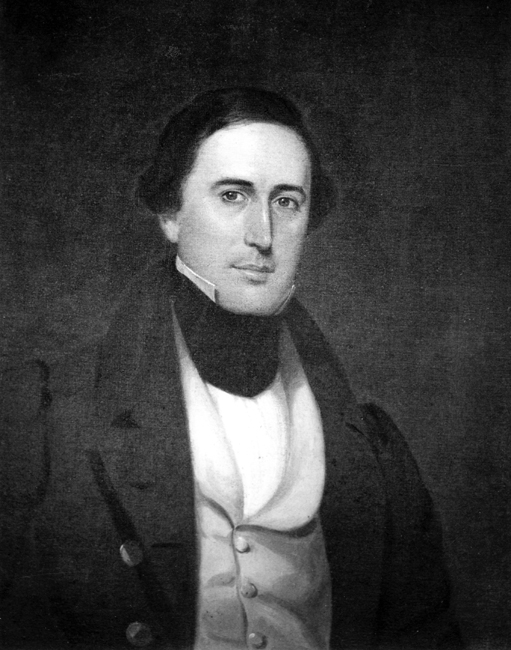
William Henry Gist
U.S.A.

Social Media

Personal Background
William Henry Gist demonstrated early leadership by becoming the ward of his uncle after his father's death. He established a successful career in plantation management, which later transitioned into significant roles in state governance and wartime economic management. Gist's expulsion from South Carolina College for leading a boycott indicates a propensity for assertive leadership. His legal career, marked by passing the bar examination, and his political ascent through the South Carolina House of Representatives and Senate, reflect a blend of legal acumen and political savvy. Gist's dedication to states' rights and chattel slavery, coupled with his involvement in the state's economic and military efforts during the Civil War, underscores his commitment to his regional and ideological beliefs.
Political Ideas
William Henry Gist's political identity is marked by a staunch commitment to states' rights and chattel slavery, which he believed were essential for regional autonomy. His strategic philosophy reveals an unexpected convergence with opposing factions on environmental regulations, showcasing a highly calculated approach to protecting regional industrial interests. Gist’s rhetorical style is deeply rooted in a Southern narrative, often invoking the preservation of traditional values against federal overreach. His ideological rigidity is juxtaposed with a pragmatic management of economic enterprises, suggesting a complex interplay between principle and practice.