William H. Wills
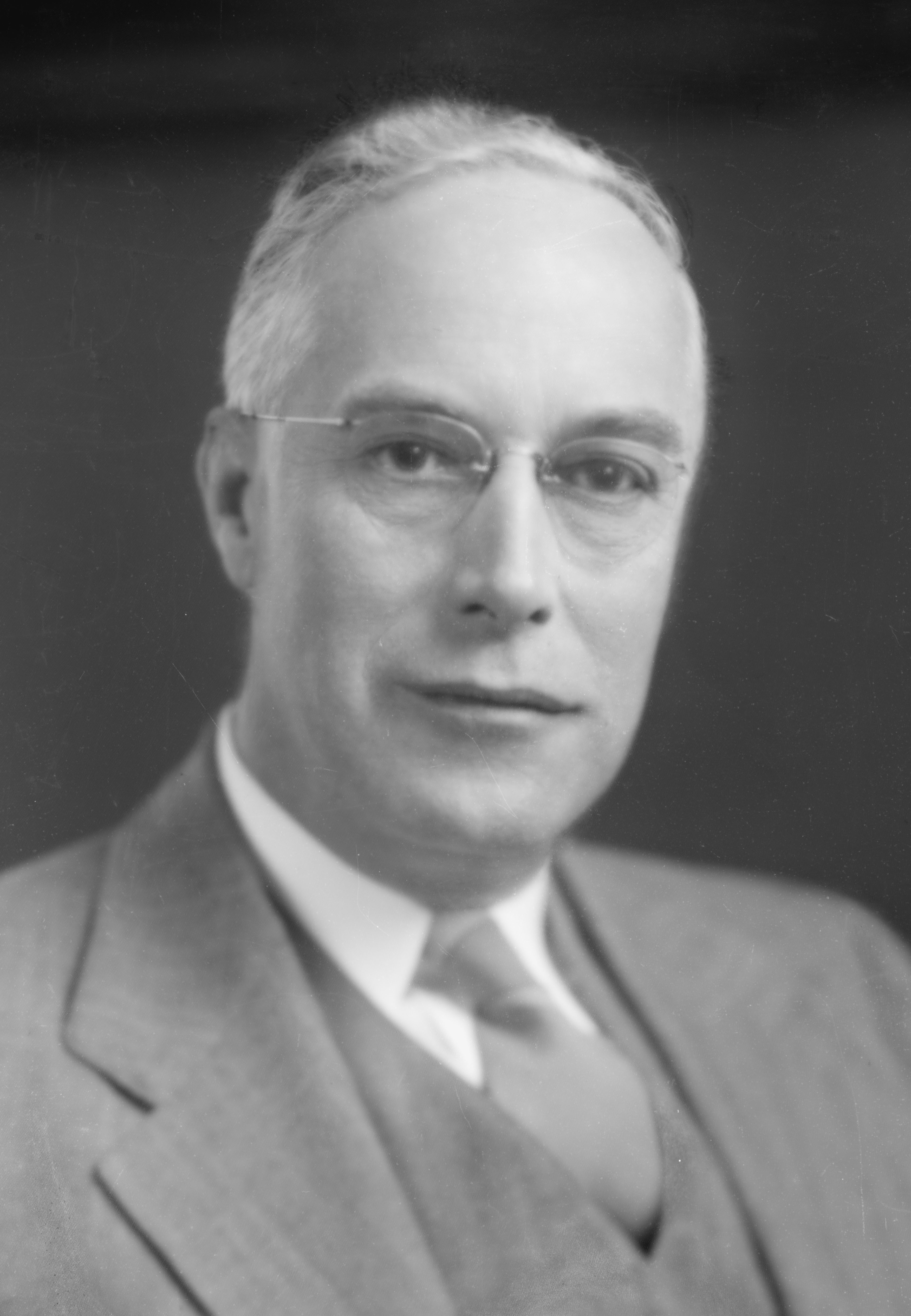
William H. Wills
U.S.A.

Social Media

Personal Background
William H. Wills began his career by establishing an insurance company in 1915, demonstrating early entrepreneurial acumen. He transitioned into public service, being elected to the Vermont House of Representatives in 1928 and subsequently to the Vermont State Senate, where he was chosen as president pro tempore. Wills held various leadership roles within state government, including serving as lieutenant governor and governor, where he focused on institutional reforms. His professional trajectory culminated in his nomination to the Federal Communications Commission in 1945, where he served until his untimely death in 1946.
Political Ideas
William H. Wills blends traditional Republican values with progressive labor policies, advocating for a merit system in state employment while also championing a minimum wage for teachers. His governance philosophy emphasizes institutional reforms, hinting at an ideologically agile approach. Wills's public service record reveals a commitment to education and community, underscored by his involvement in various charitable and fraternal organizations. His unexpected policy stances create a conceptual tension that invites deeper exploration into how he reconciles these differing elements.