William H. West
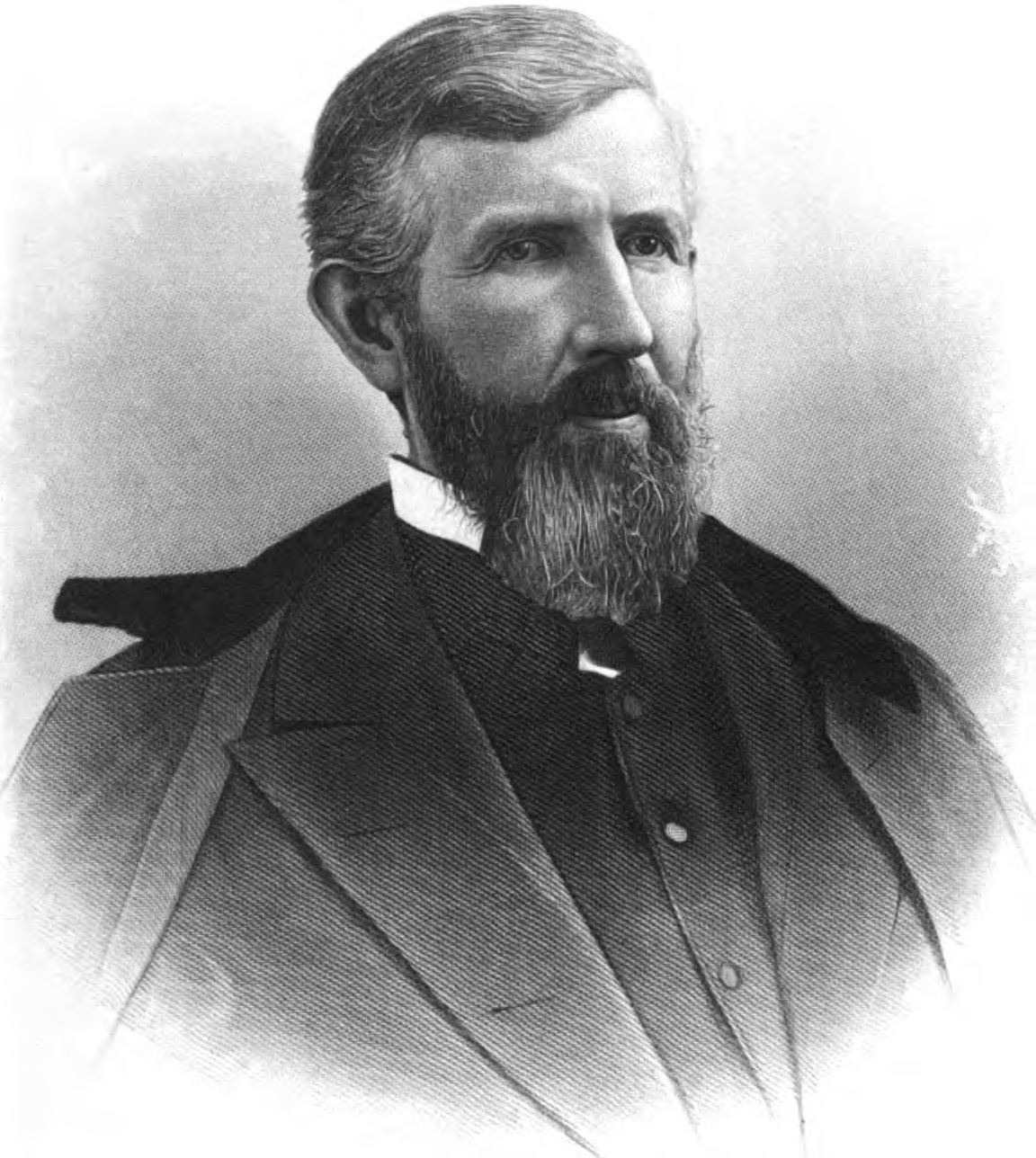
William H. West
U.S.A.

Social Media

Personal Background
William H. West graduated second in his class from Jefferson College and began his career in education, transitioning to law with a focus on institutional risk management. He held various public offices, including Prosecuting Attorney of Logan County, Ohio, and Ohio Attorney General. West also served in the Ohio House of Representatives and the Ohio Senate, and was a delegate to multiple Republican National Conventions. He was elected to the Ohio Supreme Court but resigned due to health issues. West's career highlights his commitment to public service and legal expertise.
Political Ideas
William H. West's political career reveals a unique blend of progressive advocacy and strategic conservatism, particularly in his support for labor rights during the 1877 railroad strike, which paradoxically led to his defeat in the gubernatorial race. His judicial appointments and roles, including the Ohio Supreme Court, showcase a consistent commitment to legal integrity. West's ideological positioning within the Republican Party is marked by an early involvement in anti-Nebraska sentiments and a later role in nominating James G. Blaine for president, highlighting an adaptability that balances regional and national party interests. His rhetorical style likely emphasized moral and legal consistency, yet his surprising advocacy for labor rights during a period of industrial conflict suggests a nuanced approach to economic justice.