William H. English
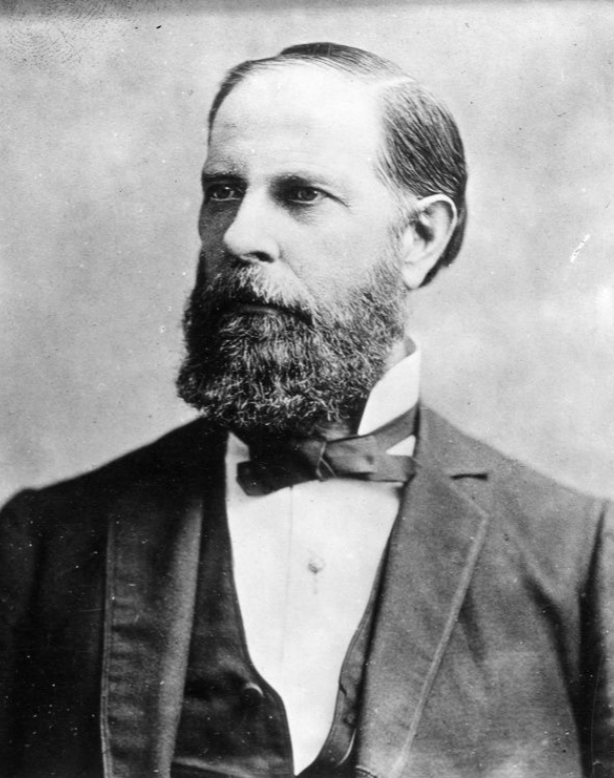
William H. English
U.S.A.

Social Media

Personal Background
William H. English attended local public schools and Hanover College, gaining admission to the bar in 1840. Early in his career, he engaged in political activities, including giving speeches for Martin Van Buren and working on James K. Polk's presidential campaign. He held various federal and state clerk positions, culminating in his election to the Indiana House of Representatives and later to the federal House of Representatives. English spent a decade in Congress, advocating for "popular sovereignty" on slavery and opposing abolitionists. During the Civil War, he supported Union war policies and served as provost marshal. Post-war, he ventured into banking and real estate, managing the First National Bank of Indianapolis and constructing English's Opera House in Indianapolis. English ran for Vice President in 1880, focusing on sound currency, restriction of Chinese immigration, and rigid economy in public expenditure, though he lost the election. After his political career, he served as President of the Indiana Historical Society and contributed to local historical documentation.
Political Ideas
William H. English's political philosophy is marked by a blend of ideological agility and regional pragmatism. He championed "popular sovereignty" on slavery, seeking a middle ground between abolitionists and pro-slavery factions. His economic policies, including a focus on a sound currency and restriction of Chinese immigration, reveal a calculated approach to national economic stability. English's support for Union war policies, coupled with his advocacy for moderation in the North-South divide, illustrates a nuanced stance on conflict resolution. His significant investments in real estate and public buildings in Indianapolis reflect a localized approach to economic development.