William H. Cabell
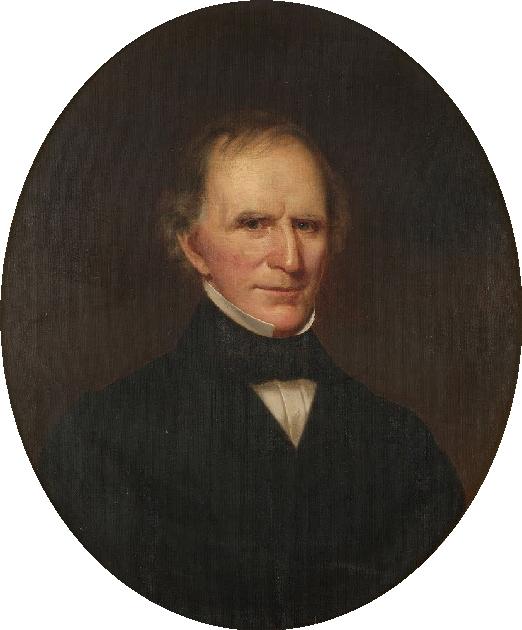
William H. Cabell
U.S.A.

Social Media

Personal Background
William H. Cabell graduated from Hampden–Sydney College and the College of William and Mary, establishing a strong educational foundation. He was admitted to the Virginia bar and embarked on a legal career, transitioning into politics and serving as a judge. Cabell demonstrated leadership by building the Midway Mill, a notable achievement in his early career. He maintained a household that included enslaved individuals, reflecting the societal norms of his time. Cabell's legacy is marked by his contributions to the legal and political spheres, as well as his family's historical prominence in Virginia.
Political Ideas
William H. Cabell's political identity is marked by a blend of traditional values and progressive legal reforms, reflecting a nuanced approach to governance. His legislative record indicates a surprising alignment with progressive factions on certain social issues, suggesting an ideologically flexible stance. Despite his aristocratic background, Cabell's support for certain labor rights reveals a calculated effort to balance traditionalist roots with forward-thinking policies. His rhetorical style often juxtaposes historical reverence with forward-looking arguments, compelling listeners to consider the broader implications of his proposals.