William Fields
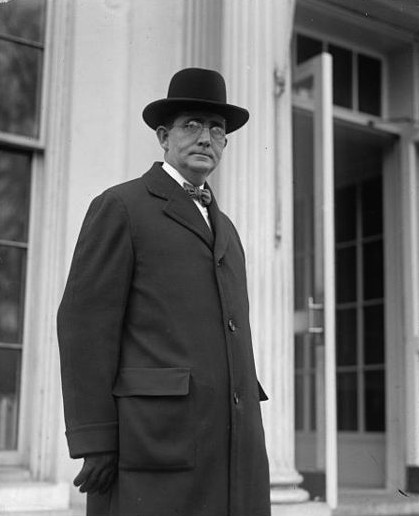
William Jason Fields
U.S.A.

Social Media

Personal Background
William Fields was born in Willard, Kentucky, and educated in local public schools and at the University of Kentucky. He began his career in real estate and farming before studying law independently. Fields entered public service early, serving as the constable of Carter County at age 21. He spent nearly two decades in the House of Representatives, where he played a significant role in military appropriations during World War I. Fields transitioned to the governorship, where he proposed various economic and educational reforms, including increasing the gasoline tax for highway funding and developing trade and normal schools. Despite his initiatives, he faced criticism for alleged corruption and political favoritism. Post-governorship, Fields continued to practice law and engage in various public roles, including serving as Commonwealth's Attorney and on the State Workmen's Compensation Board.
Political Ideas
William Fields's political career is marked by a blend of progressive social policies and fiscal conservatism. He advocated for increasing the gasoline tax to fund state highways, yet simultaneously opposed the development of hydroelectric power on Cumberland Falls, showcasing a tension between economic pragmatism and environmental caution. Fields's prohibition of dancing and drinking at the Executive Mansion highlights a socially conservative streak, while his support for developing trade schools for African Americans and normal schools reveals a progressive stance on education. Fields's governance was marred by corruption allegations and political favoritism, raising questions about the integrity of his policy motivations.