William F. Dunne
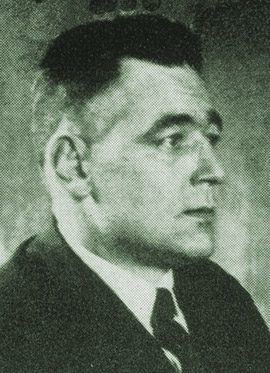
William F. Dunne
U.S.A.
Social Media

Personal Background
William F. Dunne's early life was marked by a move to Minnesota and a college education at the College of St. Thomas. He transitioned from academic pursuits to working on the Northern Pacific Railroad as an electrician, gaining practical experience during the economic turmoil of the Panic of 1907. Dunne's career included active involvement in labor unions, notably the International Brotherhood of Electrical Workers and the United Brotherhood of Carpenters and Joiners of America, where he eventually became a business agent. His diverse work history also encompassed stints in railroads, telephone companies, and a brief foray into professional boxing.
Political Ideas
William F. Dunne's political identity is marked by an intriguing blend of socialist ideology with pragmatic union activism, suggesting an ideologically agile approach. His early career in the railroads and union work indicates a deep-rooted commitment to labor rights, while his brief foray into prizefighting hints at an unconventional personal history. Dunne's unexpected convergence with opposing factions on economic policies reveals a highly calculated strategy to balance regional industrial interests with broader socialist goals.