William E. Stevenson
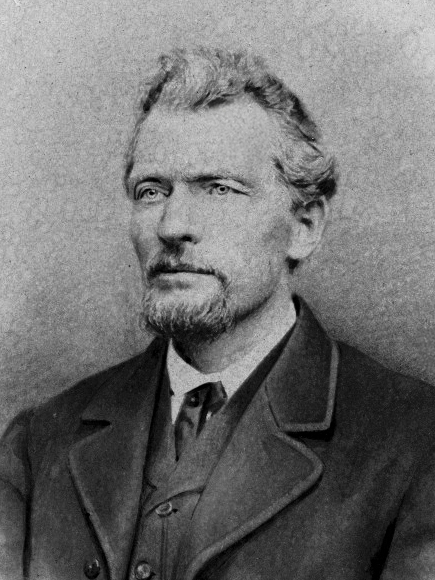
William E. Stevenson
U.S.A.

Social Media

Personal Background
William E. Stevenson, self-educated and rooted in the labor movement, began his career as a political activist advocating for the ten-hour workday. His commitment to reform led him to become a delegate for Wood County in West Virginia's constitutional conventions and a member of the West Virginia State Senate. Stevenson's dedication to anti-slavery and pro-union causes marked his tenure, culminating in his election as Governor of West Virginia. Post-governorship, he remained involved in state affairs and journalism.
Political Ideas
William E. Stevenson's political identity is marked by an intriguing blend of labor advocacy and militant abolitionism, punctuated by his strategic support for the creation of West Virginia. His legislative efforts for the ten-hour workday and his militant stance against slavery reveal a complex ideological alignment, balancing regional economic interests with moral imperatives. Stevenson's rhetorical style often juxtaposes these seemingly disparate causes, suggesting a deeply calculated approach to policymaking that seeks to harmonize divergent principles.