William Donald Schaefer
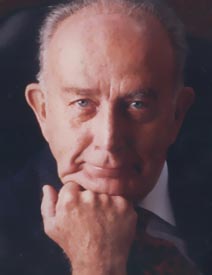
William Donald Schaefer
U.S.A.

Social Media

Personal Background
William Donald Schaefer graduated from Baltimore City College and earned his LL.B. from the University of Baltimore School of Law. He served in the U.S. Army during World War II and later earned an LL.M. from the same institution. Schaefer began his political career on the Baltimore City Council, eventually becoming its president before being elected Mayor of Baltimore. During his tenure, he focused on urban revitalization and economic development, opening key attractions like the Baltimore Convention Center and Harborplace. After serving as governor, he held positions in private practice and academia, including a chair at the University of Maryland's School of Public Affairs. Schaefer later served as Comptroller of Maryland, where he continued to influence state policy and governance.
Political Ideas
William Donald Schaefer's political career is marked by an unexpected blend of progressive appointments and blunt, often controversial rhetoric. His appointment of Bishop L. Robinson as Baltimore's first African-American police commissioner contrasts with his infamous derogatory comment about Maryland's Eastern Shore. Schaefer's economic strategy pivots around revitalizing urban centers through tourism and infrastructure, such as the Camden Yards project, while his environmental policies reflect a stringent approach to pollution control. Despite his polarizing remarks, his policy initiatives reveal a calculated effort to balance regional economic interests with progressive social reforms.