William Dennison Jr.
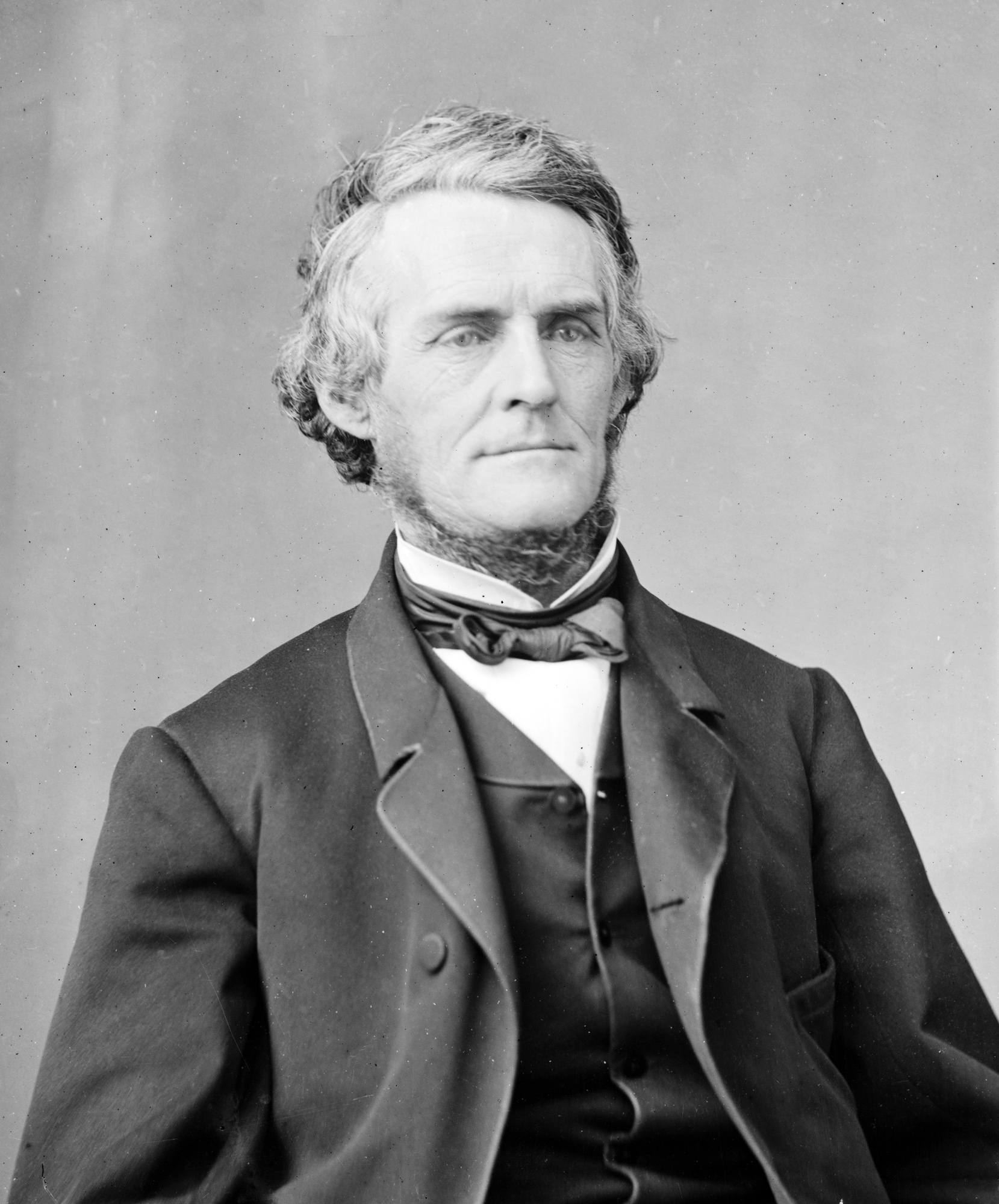
William Dennison Jr.
U.S.A.

Social Media

Personal Background
William Dennison Jr. graduated from Miami University and pursued a legal career, gaining admission to the Ohio bar. He transitioned from the Whig Party to the Republican Party, driven by anti-slavery efforts. During the Civil War, Dennison raised over 100,000 troops and managed state resources for military purposes. He served as U.S. Postmaster General under President Abraham Lincoln before resigning due to policy disagreements with President Andrew Johnson. Post-war, Dennison held various public service roles, including serving on the Columbus City Council and as Commissioner for the District of Columbia.
Political Ideas
William Dennison Jr.'s political identity is marked by a blend of regional responsibility and ideological agility, particularly evident in his Civil War-era actions. His refusal to extradite fugitive slaves and his recruitment of black troops reveal an unexpected progressive stance on civil rights, juxtaposed with his efforts to defend regional interests. His governance style, characterized by decisive wartime measures and later resignation over policy disagreements, underscores a principled yet adaptable approach to leadership.