William Conrad
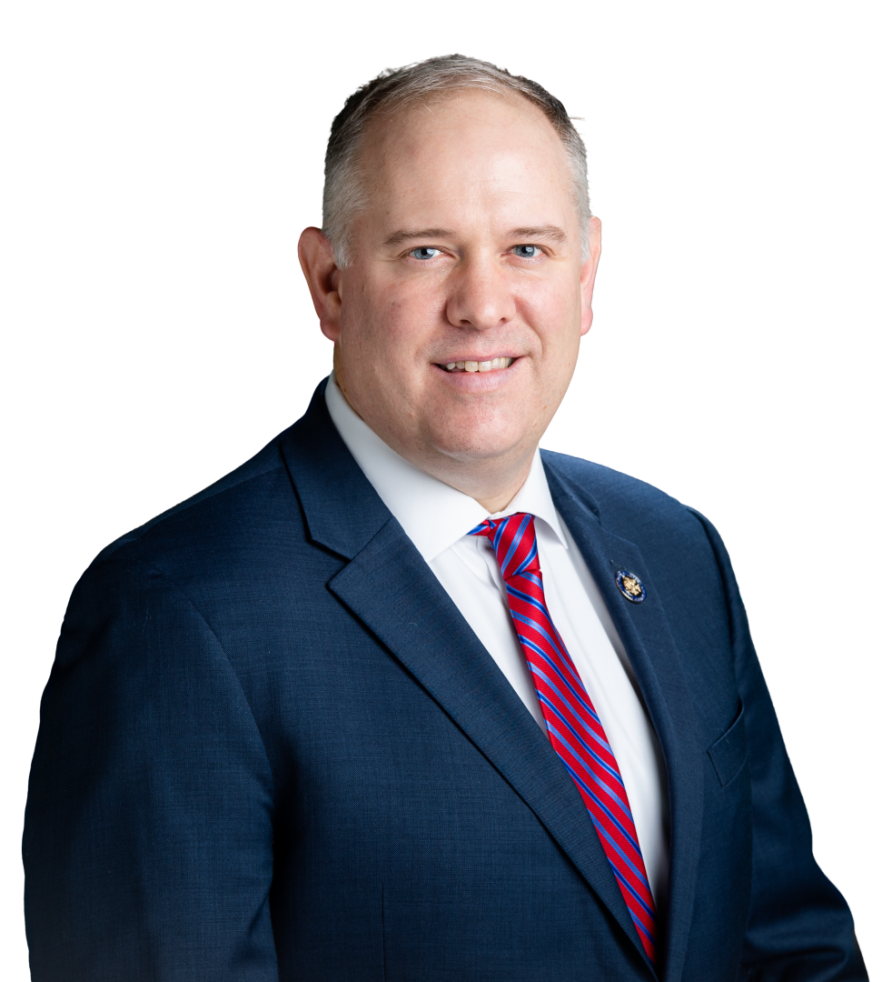
William C. Conrad III
U.S.A.


Personal Background
William Conrad holds a Bachelor of Arts in history and social studies with Honors and a Master of Education in social studies education. He spent over two decades as a social studies teacher and coach in the Kenmore-Town of Tonawanda Union Free School District, providing him with firsthand experience in the educational system. Conrad has also served on the Tonawanda Town Board, where he chaired committees focused on water resources and youth parks and recreation. His leadership in clean energy initiatives, including the Solarize Tonawanda campaign, demonstrates his commitment to sustainable development. Conrad's extensive background in education and public service positions him as a knowledgeable advocate for policy improvements in economic development and placemaking.
Political Ideas
William Conrad's political identity is marked by a blend of localism and environmental advocacy, advocating for sustainable manufacturing and trade while also promoting clean energy initiatives. His approach to economic development is deeply rooted in community-specific strategies, aiming to position local areas as hubs for sustainable industries. Conrad's educational policies focus on bridging the gap between schools and industries, particularly in trades, reflecting his extensive experience as a teacher. His placemaking efforts reveal a surprising alliance between environmental stewardship and economic revitalization, as seen in his work transforming a landfill into a solar energy site. This combination of localized economic strategies with broader environmental goals creates an intriguing tension in Conrad's policy framework.