William Cameron
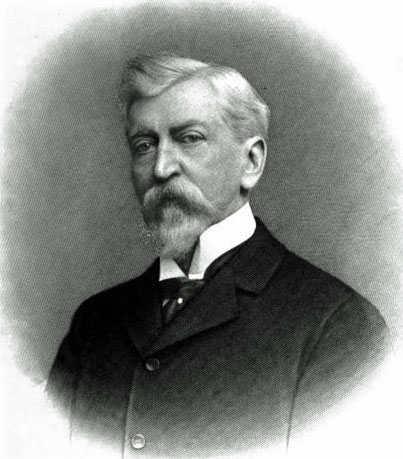
William Evelyn Cameron
U.S.A.
Social Media

Personal Background
William Cameron exhibited a diverse educational background, having attended private classical schools and the North Carolina Military Institute. He pursued legal studies and was admitted to the Virginia bar, subsequently practicing law. His career also included significant journalistic endeavors, where he edited prominent newspapers. Cameron transitioned into politics, becoming actively involved with the Readjuster Party, and later served as mayor of Petersburg and governor of Virginia. During his governorship, he implemented debt reduction programs, promoted racial integration, and supported the establishment of a land-grant college for blacks. His later political involvement included participation in the Virginia Constitutional Convention.
Political Ideas
William Cameron's political identity is marked by a unique blend of progressive economic policies and paradoxical racial stances. His advocacy for debt reduction and racial integration during his governorship contrasts sharply with his involvement in a constitutional convention that disenfranchised black voters. Cameron's approach to environmental policy, particularly his aggressive stance against oyster pirates, reveals a localized strategy aimed at protecting regional economic interests. His rhetorical style, shaped by his journalistic background, often frames complex issues in stark, binary terms, leaving a nuanced legacy that invites deeper inquiry.