William Bradford
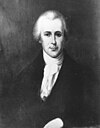
William Bradford
U.S.A.

Social Media

Personal Background
William Bradford began his career in medicine, practicing in Rhode Island. He transitioned into law, gaining admission to the bar and establishing a legal practice in Bristol. Bradford held various political roles, including deputy to the colonial assembly and Deputy Governor of Rhode Island. He commanded the colony's militia during the early Revolutionary War and later served in the United States Senate. His career reflects a blend of medical, legal, and political expertise, with significant involvement in colonial and state governance.
Political Ideas
William Bradford's political career is marked by a strategic blend of military leadership and legislative advocacy, with a notable focus on colonial rights and representation. His military command during the early Revolutionary period, followed by his legislative roles, demonstrates an ideological agility that balances local interests with broader revolutionary goals. The indirect association with slavery through his daughter's marriage adds an intriguing dimension to his social stances, hinting at complex personal and political compromises. Bradford's rhetorical style likely emphasizes regional stability and pragmatic conflict resolution, as evidenced by his cease-fire negotiation during the bombardment of Bristol.