William Bebb
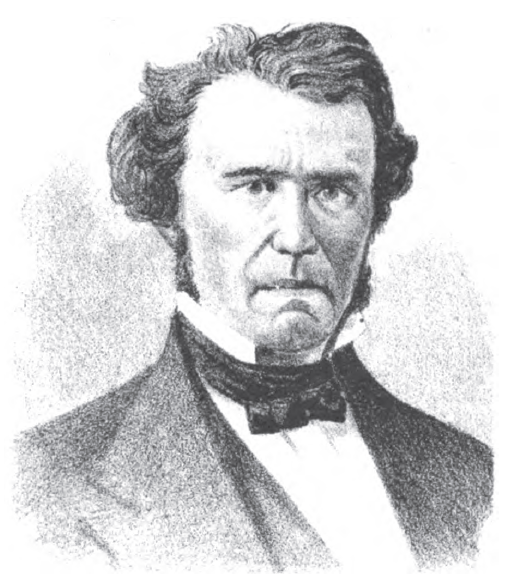
William Bebb
U.S.A.
Social Media

Personal Background
William Bebb began his career as an educator, serving as the first teacher at Paddy's Run school and later opening Sycamore Grove School with his wife. He transitioned to law, passing the state bar examination and beginning his practice in 1831. Bebb held a single term as governor, extending into January 1849 due to close elections. He was later appointed to a federal role in the pension office under President Abraham Lincoln, indicating his support for federal reforms. Bebb faced legal challenges, including a manslaughter trial in 1857, from which he was acquitted in 1858.
Political Ideas
William Bebb's political career is marked by an intriguing blend of Whig economic advocacy and a preference for domestic governance roles. His support for federal pension reforms under President Lincoln, despite his Whig roots, suggests an ideologically agile approach. Bebb's single term as governor, extended due to contentious elections, and his refusal of a diplomatic post hint at a calculated focus on local and national interests over international engagements. His legal troubles and subsequent acquittal further underscore a life of calculated risks and resilient defense of his positions.