William Badger
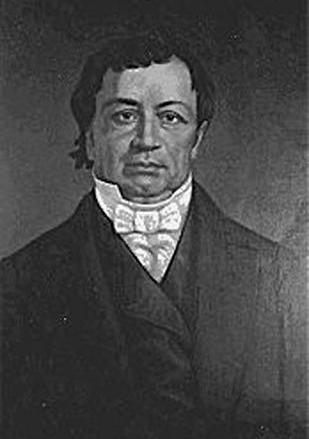
William Badger
U.S.A.

Social Media

Personal Background
William Badger holds a robust background in public service, beginning with his role as a trustee for Gilmanton Academy. He subsequently served as an aide to Governor John Langdon, followed by three terms in the New Hampshire House of Representatives. Badger later transitioned to the New Hampshire Senate, where he served three terms, including a stint as President of the Senate. His judicial experience includes serving as an Associate Justice for the Court of Common Pleas, and he later became the High Sheriff of Strafford County. Badger's political career culminated in his election as Governor of New Hampshire, where he addressed significant issues such as the Indian Stream Republic and promoted the revitalization of the state militia.
Political Ideas
William Badger's political identity is marked by a blend of progressive stances and pragmatic conservatism, particularly in his advocacy for the elimination of capital punishment while simultaneously promoting the revitalization of the state militia. His legislative actions during the Indian Stream Republic crisis reveal a calculated approach to regional stability. Badger's support for President Andrew Jackson’s banking policies, despite their controversial outcomes, showcases an ideological agility that balances national economic strategies with local interests. His commitment to public health, especially in rural areas, contrasts with his conservative military stance, suggesting a nuanced approach to governance that balances progressive social policies with traditional security measures.